UWE Bristol Undergraduate Open Day - City Campus
6 Jun 2026, 08:00
Bristol

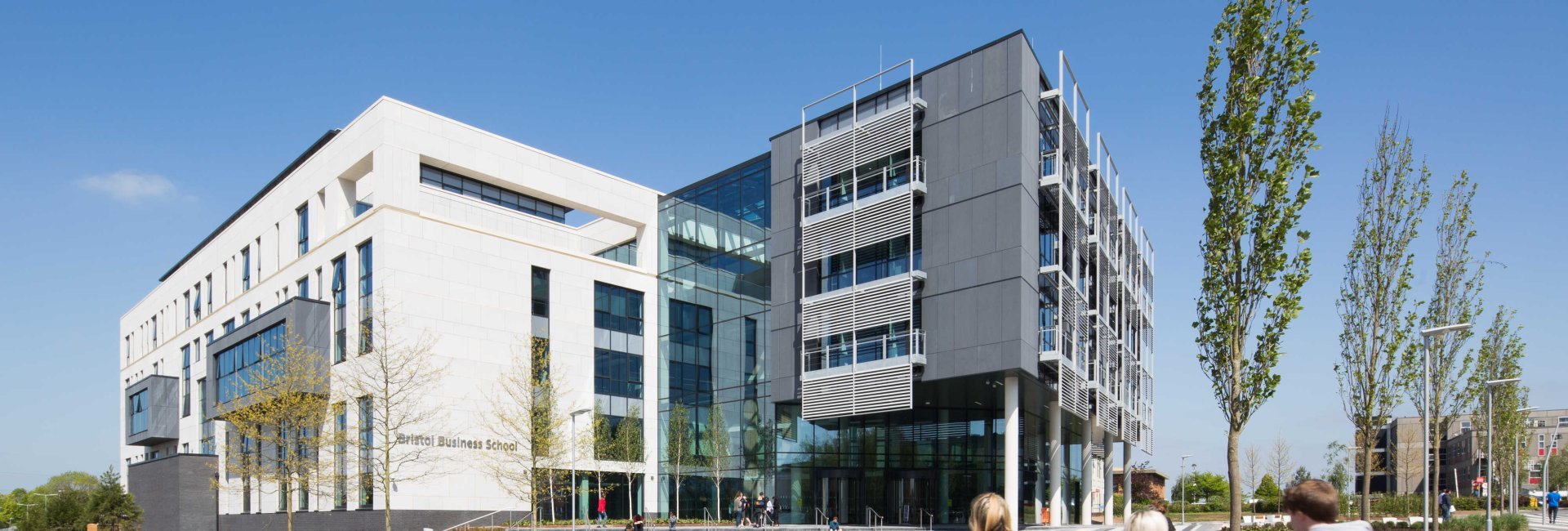
Get on track for our BEng(Hons) Electronic Engineering degree by completing a foundation year. If you're committed to an engineering future and have a less conventional background, this is the course for you.
Why study electrical and electronic engineering?
We're facing a global energy crisis, with an urgent need for sustainable electricity solutions, for both now and the future. Increased demand is leading to a shortage of fossil fuels, resulting in supply chain issues and soaring energy prices across the global economy.
Study electrical and electronic engineering and you'll be at the forefront of solving today's energy challenges. Play a vital role in developing technology to reduce our carbon footprint and you'll make a real difference to society.
Electrical and electronic engineering is a multidisciplinary area, bringing together several disciplines to deal with real-world challenges. These range from power, electronics, digital and analogue, computing, system design, mathematics and physics.
From power electronic solutions for electric vehicles and aircrafts to renewable energy resources, advances in these fields are transforming the way we travel and power our homes and businesses. As an electrical or electronic engineer, you'll become a champion of social impact, designing innovative energy solutions to reduce society's power consumption.
Why UWE Bristol?
Our new inclusive, problem-based curriculum will broaden our engineering audience, enabling students from a wider range of backgrounds to pursue a career in engineering.
You'll be taught in our new state-of-the-art School of Engineering designed to revolutionise the way engineering is taught. Featuring engine test cells, dedicated collaborative learning spaces and the latest high-tech equipment, it's purpose-built to support a wide range of engineering disciplines.
Take advantage of our Cadence (TM) classroom license to industry-standard analogue and digital integrated circuits (IC).*
Where can it take me?
As a student engineer, you'll start your professional journey towards becoming an incorporated or chartered engineer from day one. You'll learn by doing, applying and revisiting your early skills through embedded project weeks and developing digital and physical prototypes, as you would in practice.
Choose a career designing electrical and electronic systems, working on consumer technology or solving engineering problems for communications and power generation/distribution companies. You could also work in technology, manufacturing, transport and rail, aviation and a host of other industries.
*This licence is only available for the final year of the course.

Bristol, UWE has participated in the Teaching Excellence Framework. These ratings were awarded in 2023, for four years.
See why these ratings were awarded
What does this TEF outcome mean?
This course may be available at alternative locations, please check if other course options are available.
Course optionsDiscover what it's like to study Electrical and Electronic Engineering (with Foundation Year) at Bristol, UWE: insights on the course, making friends, personal statement tips, uni prep, and recommended books, podcasts, and videos.

This section shows the range of grades students (with UK A-Levels or Pearson BTEC Level 3 National Extended Diplomas) who received offers were previously accepted with (learn more). It is designed to support your research but does not guarantee whether you will or won't get a place. Admissions teams consider various factors, including interviews, subject requirements, and entrance tests. Check all course entry requirements for eligibility.
We are unable to show previous accepted grades for this course. This could be because the course is new, it's a postgraduate course, there isn't enough historical data, or the provider has opted out of sharing their entry grades data for this course - learn more.
Subject Spotlights give you the chance to try a higher education course before you apply. Delivered by the lecturers themselves you will gain insight into what it's like to study the course and give your personal statement a boost.

Choose a specific option to see funding information.
Course optionsColdharbour Lane
Frenchay
Bristol
BS16 1QY
Email:Admissions@uwe.ac.uk
Phone:+44 (0)117 32 83333