University Centre Bishop Burton - open day event
7 Mar 2026, 10:00
Beverley

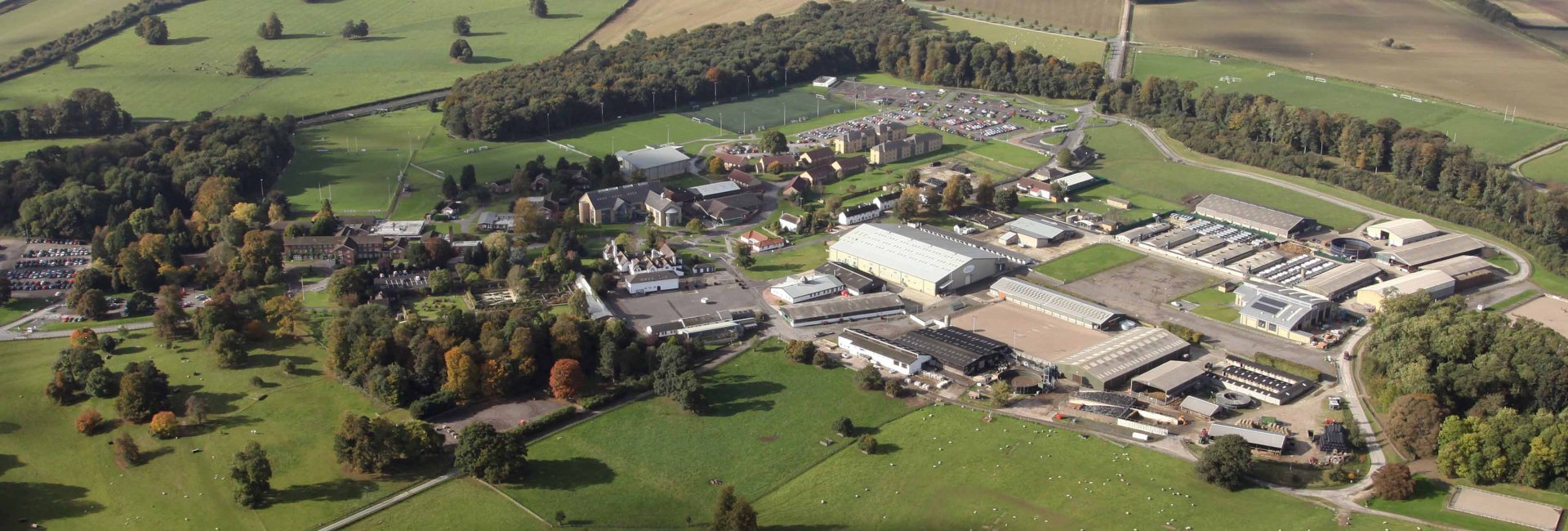
The demand for qualified and experienced equine practitioners has grown over recent years, with many more horse owners, trainers and riders recognising the need to promote the health and well-being of their horses in order to maximise welfare and performance and prevent injury.
The complex nature of injury development and poor performance, which result from the interaction and influence of a broad range of factors, creates a demand for holistic practitioners who work within the scope of their practice and as part of the multidisciplinary team who manage the equine athlete.
This programme will prepare you for further study and access to practitioner level qualifications. You will have the opportunity to gain excellent theoretical knowledge and practical skills within the field of equine therapy and rehabilitation, which underpin decision making and enable development of professional stance.
You will study a breadth of highly relevant science to explore in detail anatomy, physiology and biomechanics to ensure appreciation of functional movement. You will develop your knowledge and understanding of behaviour, nutrition and exercise physiology to ensure essential underpinning of concepts and applied approaches to working within equine performance roles.
The role of para-practitioners and the multi-disciplinary equine team is an important inclusion. This course will provide you with extensive opportunities to engage with industry professionals to further prepare you for working collaboratively in industry.
The inclusion of modules to develop scientific laboratory techniques will allow you to progression into broader aspects of equine performance, such as roles within veterinary laboratories.
You will undertake work experience and assessment on our state-of-the-art equine therapy centre, providing you with an insight into all aspects of a commercially operating facility. This first-hand experience will ensure that you are fully equipped with the knowledge and practical skills to operate and assess the role of specialist equipment.
Learning and Teaching Approach
This programme is delivered with a variety of learning and teaching approaches, utilising excellent onsite resources and extensive industry links for applied aspects. For all modules, there are theory lectures delivered, aimed at providing the core content and underpinning knowledge. Lectures are used to convey the basic concepts, and facilitate further expansion of such concepts by the students, through independent study. To complement the theory lectures, students have group seminars that are used to reinforce those concepts delivered theoretically. Practical sessions will focus on development of husbandry and handling, therapy and research equipment operation, therapeutic techniques and laboratory skills.
Contact Time
In the first and second year of the programme, contact time includes approximately 12-13 hours a week to include lectures, seminars, practicals and tutorials. In the final year of study, contact time will be on average 9-11 hours.
In addition to contact teaching hours, there will be a minimum of 15 hours of work experience in our commercial Equine Centre during the second year of study.
You are also expected to carry out a significant amount of independent study in addition to contact time (approximately 25-30 hours a week). Independent study includes reading around the subject, preparing for tutorials and seminars, preparing for, and completing, module assessments and revision for examinations; forming an essential part of your learning journey.
This section shows the range of grades students (with UK A-Levels or Pearson BTEC Level 3 National Extended Diplomas) who received offers were previously accepted with (learn more). It is designed to support your research but does not guarantee whether you will or won't get a place. Admissions teams consider various factors, including interviews, subject requirements, and entrance tests. Check all course entry requirements for eligibility.
We are unable to show previous accepted grades for this course. This could be because the course is new, it's a postgraduate course, there isn't enough historical data, or the provider has opted out of sharing their entry grades data for this course - learn more.
Operated by the Office for Students
Employment after 15 months (Most common jobs)
Go onto work and study
The number of student respondents and response rates can be important in interpreting the data – it is important to note your experience may be different from theirs. This data will be based on the subject area rather than the specific course. Read more about this data on the Discover Uni website.
Choose a specific option to see funding information.
Course optionsBishop Burton
Beverley
HU17 8QG
Email:admissions@bishopburton.ac.uk
Phone:01964 553000
Fax: 01964 553101
Email:admissions@bishopburton.ac.uk
Phone:01964 553000
Fax: 01964 553101