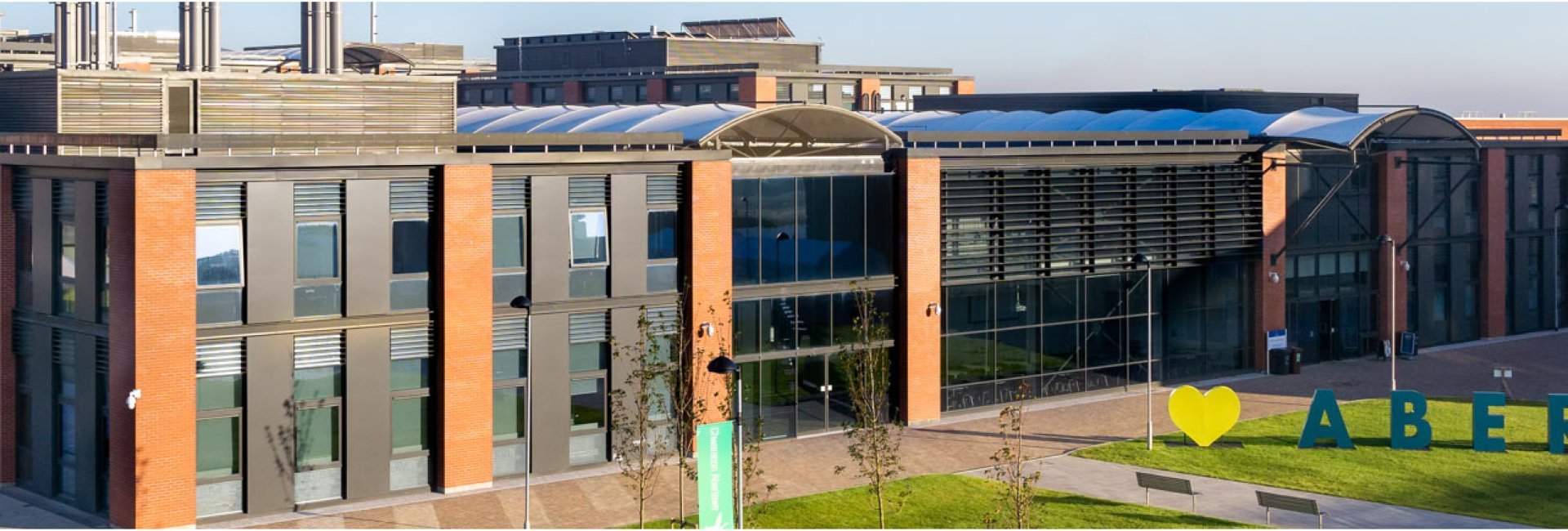
Undergraduate On-Campus Open Day at Swansea University - Singleton Park Campus and Bay Campus - 28 March 2026
28 Mar 2026, 08:30
Swansea

Electronic and Electrical Engineering is subdivided into a wide range of subfields, including electronics, digital computers, computer engineering, power engineering, telecommunications, control systems, robotics, radio-frequency engineering, signal processing, instrumentation, and microelectronics.
If you are a curious and inquisitive individual who enjoys solving problems by taking things apart to understand how they work and then putting it all back together, then Electronic and Electrical Engineering is right for you. Maybe you’ve taken a computer apart before and custom-built your own, or you have an interest in gadgets and electronics—these are all signs of an Electrical Engineer in the making.
From Power Electronics to NanoElectronics shaping our future, Electrical Engineers can work on a wide range of components, devices and systems, from tiny microchips to huge power station generators, so it’s a very challenging but also diverse field.
Visit our website for more information on fees, scholarships, postgraduate loans and other funding options to study at Swansea University.
Discover what it's like to study Microsensors and Actuators at Swansea University: insights on the course, making friends, personal statement tips, uni prep, and recommended books, podcasts, and videos.

Choose a specific option to see funding information.
Course optionsSingleton Park
Swansea
SA2 8PP
Email:study@swansea.ac.uk
Phone:+44 (0)1792 295358
At Swansea University