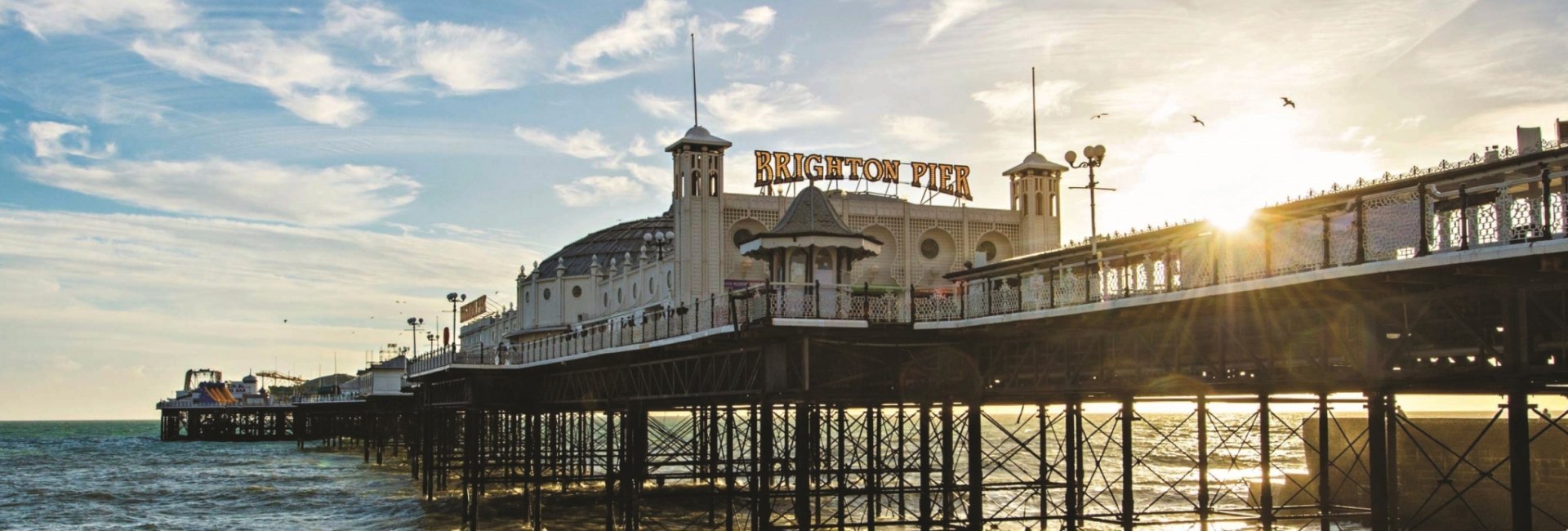
University of Brighton open day - City campus
6 Jun 2026, 08:30
Brighton

A Brighton Biological Sciences degree prepares you for careers in areas such as biomedical research, biotechnology, environmental monitoring, pharmaceuticals, conservation and science communication.
At Brighton you’ll be part of a community that helps you grow, no matter what your background. This course offers an extra year to prepare you for study at degree level; choosing the integrated foundation year ensures that you’ll have the skills, knowledge and confidence to make the most of your degree.
You’ll have loads of opportunities to build real-world experience, including a paid placement after year two and opportunities to take a funded research internship, so you’ll build confidence and career skills from day one. Our inclusive approach to learning will help you go further; we’ll make sure you play to your strengths and learn in ways that suit you best.
Brighton graduates go on to work for organisations such as the NHS, Public Health England, pharmaceutical companies, environmental consultancies and research institutions in the UK and overseas.
Top reasons to choose this course
Explore the science of living systems – from molecular and cellular biology to ecosystems and conservation.
Progress to a degree accredited by the Royal Society of Biology, giving you confidence in its professional relevance.
Develop skills in laboratory techniques, data analysis, molecular biology, genetics, microbiology and ecology.
Learn with specialist facilities including molecular biology labs, microbiology suites, and genomics and proteomics analysis equipment.
Build your CV with an optional paid placement year, research internships and industry-linked projects.
Access funded opportunities such as the Brighton Student Research Experience Scheme (SRES).
Contribute to research in areas such as regenerative medicine, biodiversity conservation, microbiology and environmental sustainability.
100% of our research impact in allied health professions, dentistry, nursing and pharmacy is assessed as ‘outstanding’ or ‘very considerable’ – Research Excellence Framework (REF) 2021.
Why Brighton is a great place to study Biological Sciences
Brighton & Hove is a coastal city surrounded by the South Downs National Park, giving you easy access to marine, freshwater and terrestrial field sites.
Named one of the best cities on the planet and the third best city in the UK by Time Out, Brighton connects you with leading hospitals, research centres – including the Sussex Cancer Centre – and environmental organisations, so your degree offers really interesting placement and job opportunities.
Foundation year
During your foundation year you’ll be introduced to key concepts in biology, chemistry and data handling to prepare you for study at undergraduate level. You’ll also develop your skills in problem-solving, analysis and communication skills.
Core modules
Foundation Biology
Foundation Study Skills
Data Handling for Science
Options*
Foundation Chemistry
Foundation Geography, Earth and Environment
Year 1
In the first year, you will explore the foundations of biological science such as skills for bioscientists, genetics, molecular biology, human physiology, biochemistry and diversity of life. You can also choose to study ecology and conservation, marine biology or blood science.
Core modules
Essential Skills for Bioscientists
Fundamentals in Genetics and Evolution
Introduction to Microorganisms and Plants
Introduction to Biochemistry
Introduction to Human Physiology
Options*
Fundamentals in Blood Sciences
Introduction to Ecology and Conservation
Fundamentals of Marine and Freshwater Biology
Year 2
Year 2 builds on the knowledge and skills gained in your first year, covering research skills, professional development, behavioural and evolutionary biology and climate change. You can choose to study environmental, ecological, biomedical and clinical areas through option modules.
Core modules
Animal Diversity and Adaptations
Research Skills and Professional Development
Options*
Sustainable Futures
Earth Surface Processes
Environmental Pollution
Climate Change
Population Biology for Conservation
Applied Conservation Field Course (UK)
Ecology and Conservation International Field course
Ice Age Earth
GIS and Remote Sensing Principles and Practice
Global Challenges: Climate Change and Environmental Degradation
Human Biochemistry, Metabolism and Pharmacology
Infection and Immunity
Intermediate Blood Sciences
Clinical Genetics and Molecular Biology
Intermediate Human Physiology
Marine and Freshwater Ecology
Optional placement year
You can also take an optional placement year to apply your learning to real-life situations and challenges, and explore different areas to help you decide what you want to specialise in. Our students have been on placement with bioscience companies and research organisations.
Final year
In your final year you’ll study species interactions and innovations in bioscience research to bring you up to date with the most current bioscience research, and . And you’ll undertake an individual research project associated with a research group. Examples Areas of research include physiology and disease processes, microbiology, genetics, ageing, ecology and conservation. You can also choose from module options to deepen your knowledge within a specialist theme.
Core modules
Ecology Project
Bioscience Research Project
Species Interactions
Innovations in Bioscience Research
Options*
Ecological Impact Assessment
Advanced GIS and Remote Sensing
Independent Study Module
The Frozen Planet
Political Ecology: Contested Environments
Hot Topics in Ecology and Conservation
Clinical Microbiology and Immunology
Cellular Pathology
Advanced Diagnostics in Blood Science
Current Topics in Aquatic Environments
*Option modules are indicative and may change, depending on timetabling and staff availability.

University of Brighton has participated in the Teaching Excellence Framework. These ratings were awarded in 2023, for four years.
See why these ratings were awarded
What does this TEF outcome mean?
This course may be available at alternative locations, please check if other course options are available.
Course optionsIncluding two full science A-levels (including Biology).
We will consider applicants who have completed an Access course on an individual basis; relevant experience may also be taken into account.
Must include two Higher Level Sciences with minimum Grade 4.
We will consider applicants who have completed a BTEC Extended diploma on an individual basis; relevant experience may also be taken into account.
| Test | Grade | Additional details |
|---|---|---|
| IELTS (Academic) | 6 | 6.0 overall with a minimum of 5.5. in each element, or equivalent English Language qualification. |
This section shows the range of grades that students who received offers were previously accepted on to this course with (learn more).
It is designed to support your research but does not guarantee whether you will or won't get a place.
Admissions teams consider various factors, including interviews, subject requirements, and entrance tests. Check all course entry requirements for eligibility.
This course may have Historical entry grades data available, please select a course option to view.
Course options| Location | Fee | Year |
|---|---|---|
| England, Scotland, Wales & Northern Ireland | £10050 | |
| International | TBC |
Tuition fee status depends on a number of criteria and varies according to where in the UK you will study. For further guidance on the criteria for home or overseas tuition fees, please refer to the UKCISA website.
No additional fees or cost information has been supplied for this course, please contact the provider directly.
Phone:01273 644644
Mithras House
Lewes Road
Brighton
BN2 4AT
At University of Brighton