Buckinghamshire New University
Queen Alexandra Road
High Wycombe
HP11 2JZ
Course contact details
BNU Enquiries
Email:advice@bnu.ac.uk
Phone:01494 605060
BNU Admissions Team
Email:admissions@bnu.ac.uk
Phone:01494 605060

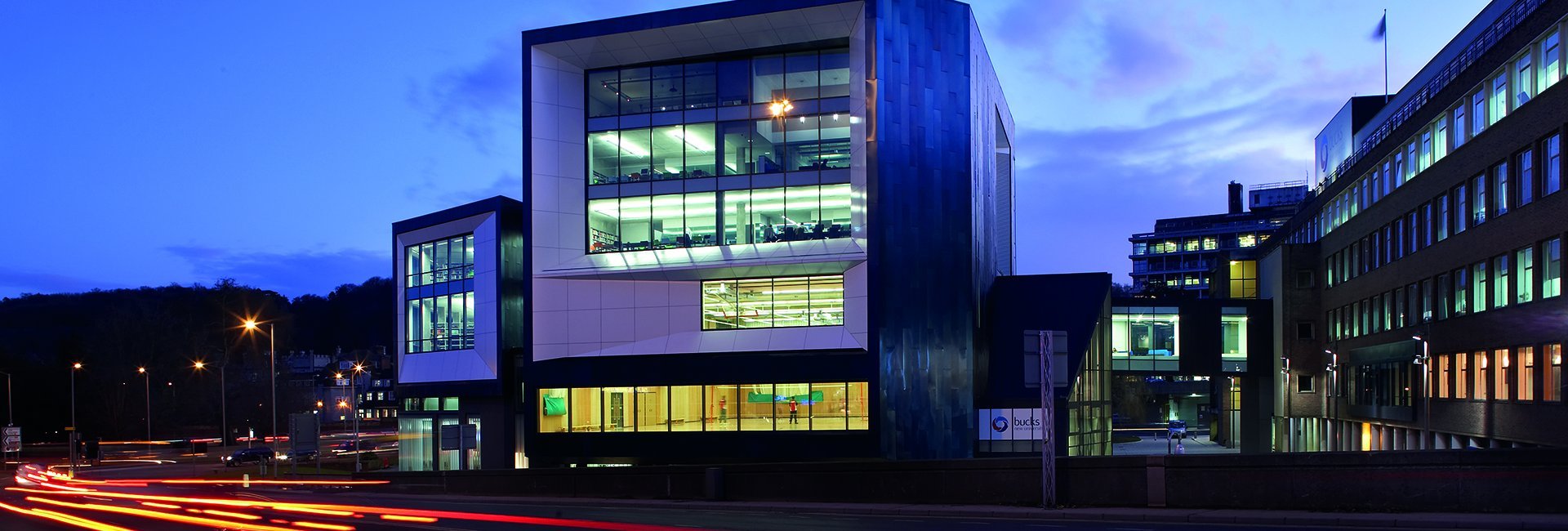
Our BSc (Hons) Diagnostic Radiography degree equips you with the scientific knowledge, technical skills, and clinical experience needed to play a vital role in the diagnosis, treatment, and management of a variety of conditions.
Cutting-edge facilities
We’ve developed a modern, forward-thinking degree designed to give you the technical expertise and hands-on experience needed for today’s clinical environments.
At the heart of your training is our state-of-the-art, fully digital Radiography Skills Laboratory, equipped with the latest imaging technology, including artificial intelligence (AI) capabilities. This means you'll train on the same advanced systems used in hospitals, gaining practical experience that mirrors real-world practice. Alongside your clinical placements, this ensures you're fully prepared to work confidently with a wide range of diagnostic imaging equipment upon graduation.
You'll also benefit from our cutting-edge anatomy teaching resources, including an interactive 3D digital anatomy platform, allowing you to explore, dissect, and understand the human body in a hands-on and intuitive way. These tools will support your understanding of the body systems you'll be imaging in clinical practice.
Recognised qualification
We have structured the degree in line with the professional frameworks and standards set by the Health and Care Professions Council (HCPC) and the College of Radiographers (CoR). This includes a strong focus on evidence-based practice, patient-centred care, ethical decision-making, and the safe and effective use of advanced imaging technologies.
Upon successful completion of the course, you’ll be eligible to apply for registration with the HCPC as a qualified Diagnostic Radiographer.
Practice placements
As part of this course, you will be required to complete practice placements in clinical settings. These placements are carefully integrated throughout the programme to give you the opportunity to apply the knowledge and skills learned in the classroom to real-world healthcare environments.
By working alongside qualified radiographers and other healthcare professionals within local NHS Trusts and imaging departments, you’ll gain invaluable hands-on experience with patients, imaging equipment, and clinical workflows. This not only enhances your learning but allows you to build connections within the healthcare sector early in your career, all while accumulating the mandatory practice hours required for professional registration with the Health and Care Professions Council (HCPC).
What will I study?
Throughout the course, you will study a wide range of topics designed to build both your technical expertise and professional confidence as a diagnostic radiographer. You'll learn how to use diagnostic imaging equipment safely and effectively, with a strong focus on legal, ethical, and workplace best practices. The course will deepen your understanding of health, disease, and disorders commonly encountered in radiographic practice, while also exploring the role of screening, health promotion, and patient education in supporting healthy living.
You’ll examine the principles of quality control, assurance, and clinical audit, as well as develop a strong technical understanding of various imaging modalities and their applications. Interpreting diagnostic data accurately and linking it to human anatomy, physiology, and pathology is a key focus, supported by training in image interpretation.
In addition, you’ll explore the importance of patient-centred care and effective communication, which are essential in delivering safe, compassionate healthcare. The course also encourages critical thinking, allowing you to evaluate current practice and contribute ideas for innovation and improvement.
By the end of your studies, you’ll have the knowledge, technical skills, and professional attributes needed to begin a rewarding career as a diagnostic radiographer.

Buckinghamshire New University has participated in the Teaching Excellence Framework. These ratings were awarded in 2023, for four years.
See why these ratings were awarded
What does this TEF outcome mean?
This section shows the range of grades students (with UK A-Levels or Pearson BTEC Level 3 National Extended Diplomas) who received offers were previously accepted with (learn more). It is designed to support your research but does not guarantee whether you will or won't get a place. Admissions teams consider various factors, including interviews, subject requirements, and entrance tests. Check all course entry requirements for eligibility.
We are unable to show previous accepted grades for this course. This could be because the course is new, it's a postgraduate course, there isn't enough historical data, or the provider has opted out of sharing their entry grades data for this course - learn more.
Operated by the Office for Students
Employment after 15 months (Most common jobs)
Go onto work and study
The number of student respondents and response rates can be important in interpreting the data – it is important to note your experience may be different from theirs. This data will be based on the subject area rather than the specific course. Read more about this data on the Discover Uni website.
Choose a specific option to see funding information.
Course optionsThere are several ways you can fund your studies, including sponsorship and student loans. You may be able to use ELCAS credits for some of our courses. We also have scholarships and bursaries to help support our students.
Queen Alexandra Road
High Wycombe
HP11 2JZ
Email:advice@bnu.ac.uk
Phone:01494 605060
Email:admissions@bnu.ac.uk
Phone:01494 605060