Course contact details
Course enquiries
Phone:01273 644644
University of Brighton
Mithras House
Lewes Road
Brighton
BN2 4AT

A Brighton Design Engineering degree prepares you for careers in areas such as product design and development, user experience design, sustainable innovation and manufacturing and gives you the skills to start your own venture in tech and design-led industries.
At Brighton you’ll be part of a supportive community that helps you grow, no matter your background. This course is full of opportunities to build real-world experience through team projects, placements and internships. Our inclusive approach to learning means we’ll help you play to your strengths and learn in ways that suit you best.
Brighton graduates go on to work for organisations such as Apple, Dyson, Jaguar, Mars, Lego and Ricardo UK Ltd.
Top reasons to choose this course
Learn in a creative, collaborative studio environment, working on industry-linked projects with other engineering and design students.
Gain hands-on experience through project work designing and building water rockets, finding solutions to Fixperts challenges and working on the design and development of bike force pedals for Team GB.
Showcase your work to potential employers at our end of year show.
Specialist facilities including flight and car simulators, wind tunnel, prototyping labs and workshops, CNC machines, robotics and VR labs.
Get involved with our research, developing mechanical and aerodynamic tools for bicycle training and simulators in the Bike Sim Lab.
Make a difference and solve energy challenges in our student-led Sustainable Technology and Engineering Projects (STEP) lab.
Boost your CV with an optional paid placement year after year two or paid internship opportunities.
100% of our engineering research impact is rated as ‘outstanding’ or ‘very considerable’ for reach and significance – Research Excellence Framework 2021.
Why Brighton is a great place to study design engineering
Brighton & Hove is the UK’s leading city for new economy businesses (Centre for Cities, 2025). This includes sectors such as advanced engineering, product design, green technology and sustainable manufacturing – industries where demand for design engineers is rapidly growing. Studying at Brighton means you’ll be part of a hub for innovation, with opportunities directly to connect your learning to the future of design and engineering.
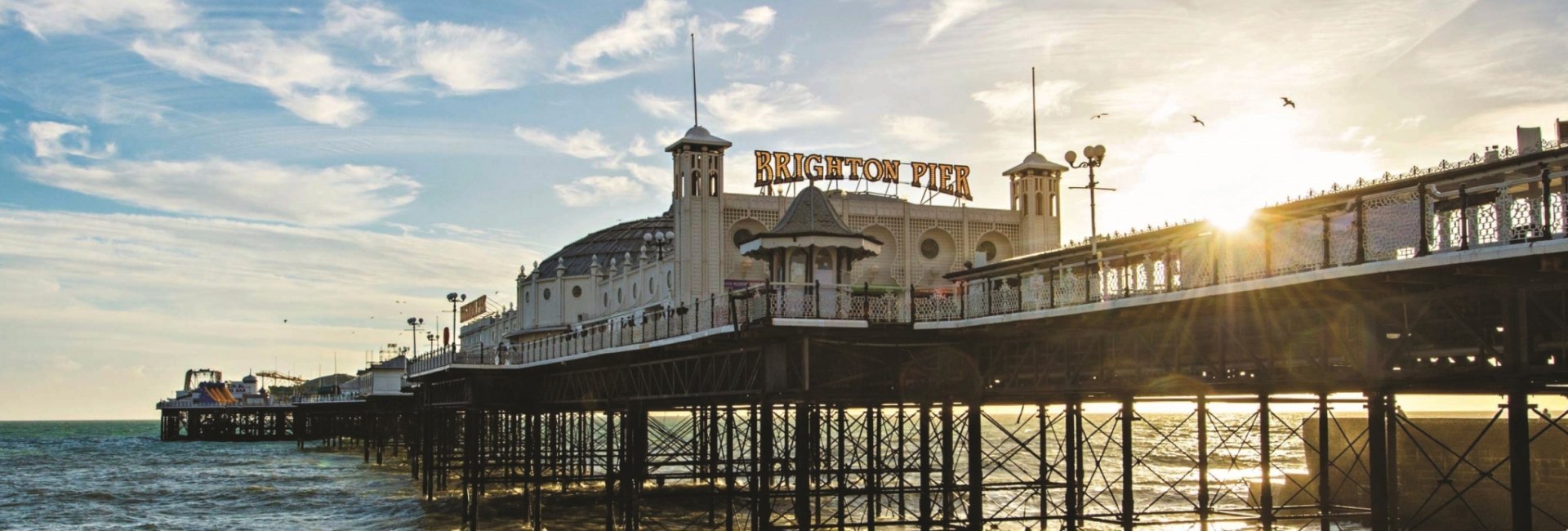
Brighton & Hove has also been named one of the best cities on the planet and third best city in the UK by Time Out.
Year 1
You’ll be introduced to the fundamental elements of product design and engineering, building your skills in terms of making, thinking and evaluation. Later in the year you’ll explore more complex design issues and skills including digital prototyping and manufacture, inclusive design and human factors.
You’ll work on projects such as designing and building water rockets and building an electrical system to measure light. Project work also includes engaging with the Fixperts global community of design innovators to find practical solutions to everyday challenges. You will take four core modules which build on and support each other, developing your specialist knowledge and skills in design practice, design engineering and design technologies.
Core modules
Design Practice: Creativity, Prototyping and Communication
Design Engineering: Fundamentals
Design Practice: Inclusive Design
Design Technologies: Digital Manufacturing
Year 2
In your second year you will learn to develop products for a real market, consider the commercial side of product development – including design for manufacturability and assembly, costing and fulfilment – and learn how to prototype with a range of technologies. You’ll also build on the fundamental engineering topics covered in your first year. Project work covers control systems and includes building a self-balancing robot, modelling dynamics of vehicles and a project that brings together heat transfer and thermal modelling with fluids and structures.
Core modules
Design Technologies: Interactions and Experiences
Design Practice: Design to Market
Design Practice: Responsible Design
Design Engineering: Systems
Optional Placement Year
A placement year gives you the opportunity to gain professional experience either through external work placements with industry partners or working on live projects.
Final year
In your final year you will develop expertise through an advanced engineering project informed by research, such as working on the design and development of bike force pedal sensors for Team GB. Later in the year you’ll undertake a project informed by an industry or research brief which will incorporate the values, principles, skills and experience you have gained in design outcomes that are well resolved and well communicated.
Core modules
Design Practice: Professional Practices
Design Engineering: Specialist
Design Technologies: Self-directed Project
Design Engineering: Self-directed Project

University of Brighton has participated in the Teaching Excellence Framework. These ratings were awarded in 2023, for four years.
See why these ratings were awarded
What does this TEF outcome mean?
This course may be available at alternative locations, please check if other course options are available.
Course optionsincluding Maths
Pass with a minimum of 45 credits at Level 3, with 24 Merits or above with Level 3 units in computing.
26 points, with three subjects at Higher level which must include maths and physics at grade 5.
BTEC Extended Diploma in Engineering
| Test | Grade | Additional details |
|---|---|---|
| IELTS (Academic) | 6 | 6.0 overall with a minimum of 5.5. in each element, or equivalent English Language qualification. |
This section shows the range of grades that students who received offers were previously accepted on to this course with (learn more).
It is designed to support your research but does not guarantee whether you will or won't get a place.
Admissions teams consider various factors, including interviews, subject requirements, and entrance tests. Check all course entry requirements for eligibility.
This course may have Historical entry grades data available, please select a course option to view.
Course options| Location | Fee | Year |
|---|---|---|
| England, Scotland, Wales & Northern Ireland | £10050 | |
| International | TBC |
Tuition fee status depends on a number of criteria and varies according to where in the UK you will study. For further guidance on the criteria for home or overseas tuition fees, please refer to the UKCISA website.
No additional fees or cost information has been supplied for this course, please contact the provider directly.
Phone:01273 644644
Mithras House
Lewes Road
Brighton
BN2 4AT
At University of Brighton