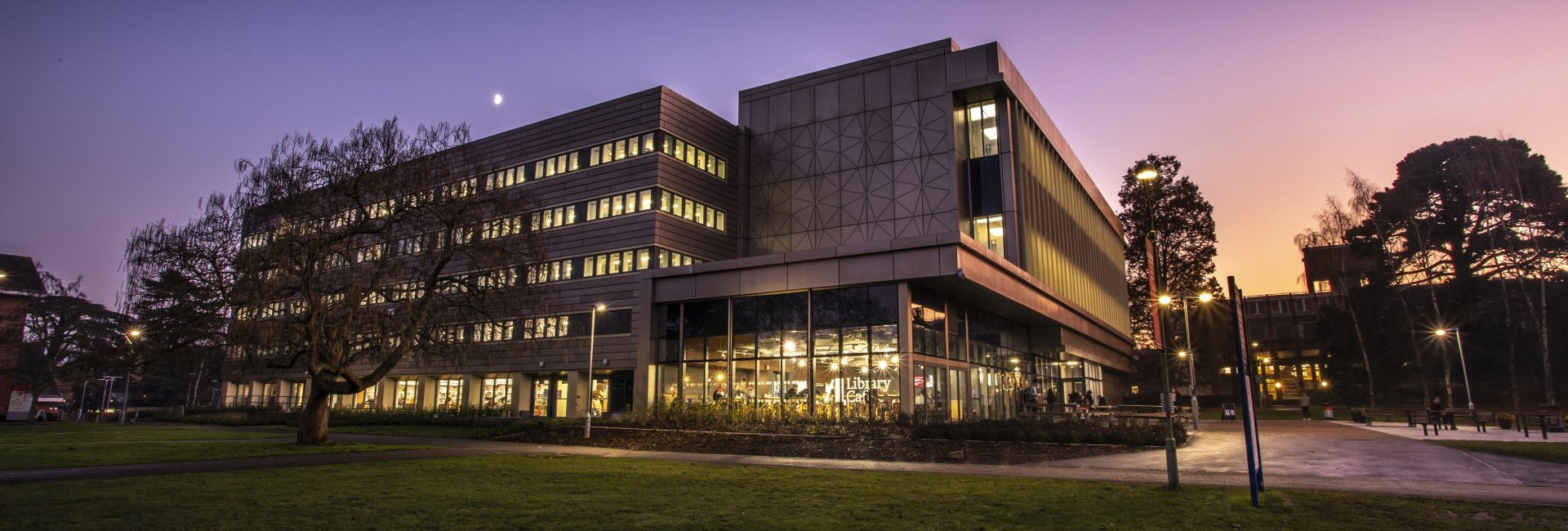
University of Reading - Undergraduate Open Day
19 Jun 2026, 08:00
Reading

Digital media and communication are key to any industry or aspects of social and public life. Explore how digital media and communication influence contemporary society. Gain hands-on experience with digital tools and platforms to create and curate contents that are persuasive, user-oriented, inclusive and sustainable.
You’ll examine key theories and research methods from digital humanities, communication and language studies, and media and design theory. Through this lens, you’ll explore the intersections of language, media and technology and critically reflect on how these influence society, identity, power, relationships, businesses as well as creative and heritage industries. Alongside critical analysis, you’ll gain practical skills in producing and curating a wide range of multimodal digital products, including blogs, vlogs, reels, podcasts, videos, and online exhibitions.
At the University of Reading, you’ll join our friendly, collaborative Department of English Language and Applied Linguistics. We’re proud of our:
established reputation in language studies and communication. We’ve been around for 60 years, and offered the first linguistics degree in the UK.
global ranking. We place in the top 150 universities in the world (QS World University Rankings by Subject, 2025).
thriving research environment. 100% of our research is of international standing (Research Excellence Framework 2021, combining 4*, 3* and 2* submissions – Modern Languages and Linguistics).
In the Guardian University Guide 2025, we are ranked 9th for English, and we are ranked 2nd in UK for English Language in the Daily Mail University Guide 2026. 100% of our students said that teaching staff are good at explaining things, easy to contact and support their learning well (National Student Survey 2025, responders from the Department of English Language and Applied Linguistics).
You’ll be supported by leading experts who will help you become both a critical digital media analyst and an innovative content creator, equipping you with the communication and analytical skills demanded across business, creative and heritage industries as well as the public sector.
As well as analysing diverse media and communication settings, you’ll explore:
strategies and techniques of digital influence
diverse media forms, including film, graphic communication, and visual storytelling
how to communicate effectively and ethically with AI
and how AI and digital media impact on social relationships, identity and privacy.
You’ll also develop advanced knowledge and skills in discourse analysis, multimodality, critical literacy, digital marketing and personal branding, data analysis, creative and inclusive multimedia production as well as ethical and responsible conduct, teamwork, and problem solving. There will be the option of undertaking a placement year as part of the course. By the end of your degree, you will understand not only how digital media and communication work and how to produce creative content, but also how they connect to pressing global issues such as politics, migration, gender and sexuality.
This is the equal consideration deadline. You can still apply after this date, but your application may not receive guaranteed consideration.

University of Reading has participated in the Teaching Excellence Framework. These ratings were awarded in 2023, for four years.
See why these ratings were awarded
What does this TEF outcome mean?
The following entry points are available for this course:
In recognition of the excellent preparation that the Extended Project Qualification provides to students for University study, we now include achievement in the EPQ as part of a formal offer. Eligible applicants would receive two offers, our usual offer plus an alternative offer of a B in the EPQ and one grade lower in their A level subjects
GCSE Maths grade 4 (or C), GCSE English Language or English Literature grade 4 (or C).
Minimum grade C in the Core Component.
Contextual offers for this programme are typically two grades beneath our standard entry requirement, e.g. BCC.
| Test | Grade | Additional details |
|---|---|---|
| IELTS (Academic) | 6.5 | We require a minimum score of 6.5 overall with at least 5.5 in each element of the test (Listening, Speaking, Reading and Writing). |
| TOEFL (iBT) | 88 | We require a minimum score of 88 overall with no less than 17 in Listening and Writing, 18 in Reading and 20 in Speaking. |
| Cambridge English Advanced | B | We require a grade B or a score of 176 overall with no element less than 162. |
| Cambridge English Proficiency | C | We require a grade C or a score of 176 overall with no element less than 162. |
| PTE Academic | 69 | We require a minimum score of 69 overall with at least 59 in each element of the test (Listening, Speaking, Reading and Writing). |
| Institution's Own Test | Test of English for Educational Purposes (TEEP). We require a minimum score of 6.5 overall with at least 5.5 in each element of the test (Listening, Speaking, Reading and Writing). | |
| Trinity ISE | Merit | We require a Merit in each element from ISE II. If you take ISE III or ISE IV, we require a Pass in each element. |
Full list of acceptable English Language Tests http://www.reading.ac.uk/ad-EnglishTests.aspx
We issue offers to best fit the different circumstances and experiences of our applicants. We take a tailored and holistic approach, considering extenuating circumstances on a case-by-case basis. We recognise that some students are more likely than others to face barriers to fulfilling their academic potential at school, through no fault of their own. More information on our supportive offer making approaches can be found at: https://www.reading.ac.uk/ready-to-study/study/what-offer-will-i-get
This section shows the range of grades that students who received offers were previously accepted on to this course with (learn more).
It is designed to support your research but does not guarantee whether you will or won't get a place.
Admissions teams consider various factors, including interviews, subject requirements, and entrance tests. Check all course entry requirements for eligibility.
We are unable to show previous accepted grades for this course. This could be because the course is new, it's a postgraduate course, there isn't enough historical data, or the provider has opted out of sharing their entry grades data for this course - learn more.
| Location | Fee | Year |
|---|
Tuition fee status depends on a number of criteria and varies according to where in the UK you will study. For further guidance on the criteria for home or overseas tuition fees, please refer to the UKCISA website.
For Home students: The University will charge undergraduate home tuition fees at the upper limit set by the UK Government for the relevant academic year. The University will increase tuition fees for Home Undergraduate Students at the start of each academic year, in line with this and the new fee will be communicated to you.
For EU and International students: The University will increase Tuition Fees for International Undergraduate and Integrated Foundation Year Programme Students at the start of each academic year (September). The new fee for each academic year of your Programme will be communicated to you
Email:ugadmissions@reading.ac.uk
Phone:0118 378 8372
Whiteknights Campus
Reading
RG6 6UR
At University of Reading