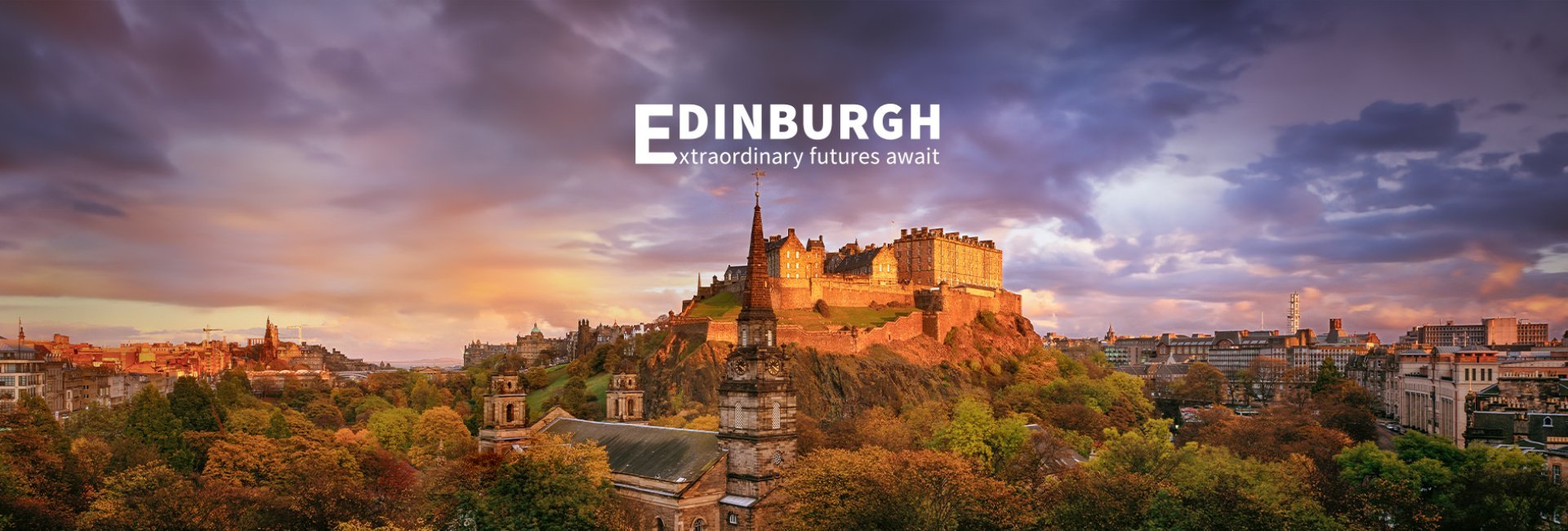
Edinburgh is the first UNESCO World City of Literature. For centuries, it has been the home and muse of many great writers. Scotland's capital also has a long-established Gaelic community and a lively contemporary cultural scene.
On this joint honours programme, you can study the literatures, languages and cultures of the Celtic world alongside the literature of Scotland in both English and Scots, drawing on Edinburgh's exceptional resources.
You will also have the option to take courses in other areas of the humanities and social sciences.
When you graduate, you will have the combination of a broad cultural education and specialist knowledge valued by employers worldwide.
Celtic
At all levels of study on our four-year programme, we offer courses in the languages, literatures, histories, and cultures of the Celtic world across major periods in history, from the Middle Ages to the 21st century.
You have the option to study Scottish Gaelic and build up to advanced competency in the language. It does not matter if you are a complete beginner; we stream our Year 1 classes to suit all levels of prior knowledge or none.
A choice of pathways through the programme enables you to develop your own interests in particular areas, periods and disciplines of Celtic studies.
As well as the medieval literary tradition in Early Irish and Medieval Welsh, our expertise covers:
-
the rich oral tradition recorded from the 18th century onwards
-
poetry from the golden age of Gaelic literature
-
the writing, song and media production of contemporary Gaelic Scotland, Ireland, and Wales
-
sociolinguistics, language policy and revitalisation
Scottish Literature
You will study in the oldest department of literature in the UK, one of the longest-established in the world.
After gaining the essential skills needed for the critical close reading of poetry, drama and prose in your first year, you will explore the cultural contexts of all major periods of Scottish literature from the late Middle Ages to the present.
At honours level, you will select courses on the basis of your own interests in specific topics, periods or literary genres.
Studying literature with Celtic prepares you to contribute to a society in which an understanding of texts of all kinds is crucially important. It shows an openness to ideas and perspectives other than your own, an essential attribute in many careers and a global marketplace.
How long it takes to complete this degree programme
This programme is studied over 4 years. This enables us to build choice and flexibility into your studies, giving you time to explore options, find what you like and build your skills.
Your first two years will be your pre-honours years. They will give you a good grounding in your subjects. In addition to your core courses, you will broaden your education and skill set by choosing option courses from a range of disciplines. This gives you the chance to build your intercultural awareness in other areas of the arts, humanities and social sciences.
Your final two years will be your honours years. They will be tailored to your interests in specific topics, periods, genres, or approaches to Celtic Studies and Scottish Literature. If you have chosen to study Scottish Gaelic, you'll progress to advanced language study in these years.
Programme benefits
-
Study over four years, giving you choice and flexibility.
-
Learn in the heart of Scotland's capital city - a UNESCO World City of Literature.
-
Try out different subjects in your first two years.
-
Join societies related to what you are studying.
-
Delve into fantastic libraries and collections.
-
Try your hand at creative writing and publishing.