
University of Worcester
Henwick Grove
Worcester
WR2 6AJ
Course contact details
Admissions Office
Email:admissions@worc.ac.uk
Phone:01905 855111
Fax: 01905 855377
Overview
Studying these subjects in combination allows you to embark on a captivating journey through the realms of storytelling, communication, and visual arts. You will investigate industry advances and technology in research-inspired lectures, seminars and workshops and explore representation and ideology through a variety of media forms and film genres.
This course offers an exciting opportunity to explore the intricate connections between Journalism and Media & Film Studies where you will gain the skills and knowledge necessary to thrive in the fast-paced and multifaceted world of contemporary media and Journalism.
Key features
Staff with expertise and industry experience will teach you the core skills of journalism – how to spot, write, produce and sell a story for news, magazine, television, radio and social media
We extend learning beyond the classroom and provide opportunities to learn whilst at a 4DX cinema screening, a festival or at a mixed reality gaming arcade, for example. We also host events with guest speakers and develop our course culture through our trips and socials
You’ll learn the practical skills you need, including recording and editing sound and video using both professional and mobile kit and have access to the University’s radio and TV studios
You will be introduced to leading innovators in the media, technology and creative industries. Our regional and national professional contacts include: digital marketing agencies, public relations agencies; immersive media agencies; A & R music representatives working with NFTs; local political party offices; award-winning content creatives; galleries and museums; festival and event organisers; charities and youth work
Partnerships with media organisations, including the BBC, and PR agencies give you the chance for placements to see what it’s really like to work within the profession
Why the University of Worcester?
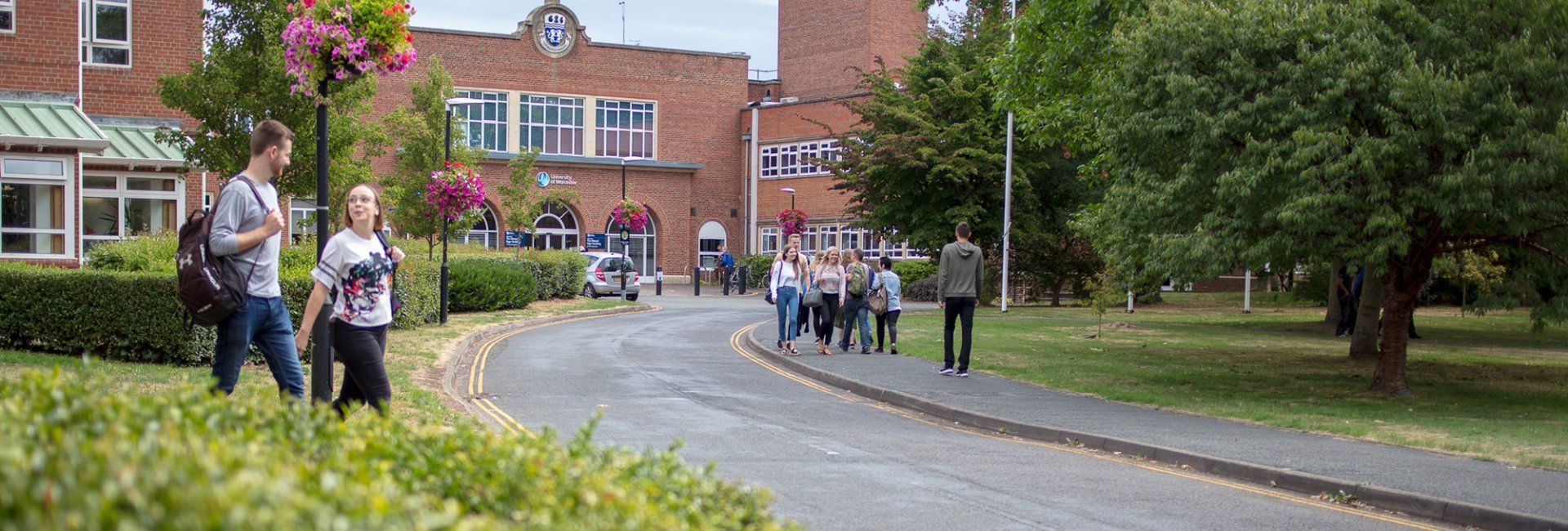
The University of Worcester is a campus university, meaning everything you need is on site. We’re based in a vibrant cathedral city just 40 mins south of Birmingham and an hour north of Bristol, and our beautiful green campuses have plenty of parking and quality on-site accommodation.
At Worcester, small class sizes, supportive tutors, and professionally focused courses mean you’ll be prepared for your dream career. These are just some of the reasons why we’re first in the UK for both graduate employment and quality education.
University of the Year finalist in the Times Higher Education Awards 2025.
First in the UK for sustained employment, further study or both, from any multidisciplinary university – Longitudinal Education Outcomes (LEO) 2017 to 2025.
First in the UK for quality education – Joint 1st in the Times Higher Education’s University Impact Rankings 2025.
Join us at one of our regular Open Days to see if the University is a good fit for you: www.worcester.ac.uk/opendays

University of Worcester has participated in the Teaching Excellence Framework. These ratings were awarded in 2023, for four years.
See why these ratings were awarded
What does this TEF outcome mean?
This section shows the range of grades students (with UK A-Levels or Pearson BTEC Level 3 National Extended Diplomas) who received offers were previously accepted with (learn more). It is designed to support your research but does not guarantee whether you will or won't get a place. Admissions teams consider various factors, including interviews, subject requirements, and entrance tests. Check all course entry requirements for eligibility.
We are unable to show previous accepted grades for this course. This could be because the course is new, it's a postgraduate course, there isn't enough historical data, or the provider has opted out of sharing their entry grades data for this course - learn more.
Operated by the Office for Students
Employment after 15 months (Most common jobs)
Go onto work and study
The number of student respondents and response rates can be important in interpreting the data – it is important to note your experience may be different from theirs. This data will be based on the subject area rather than the specific course. Read more about this data on the Discover Uni website.
Choose a specific option to see funding information.
Course optionsHenwick Grove
Worcester
WR2 6AJ
Email:admissions@worc.ac.uk
Phone:01905 855111
Fax: 01905 855377