
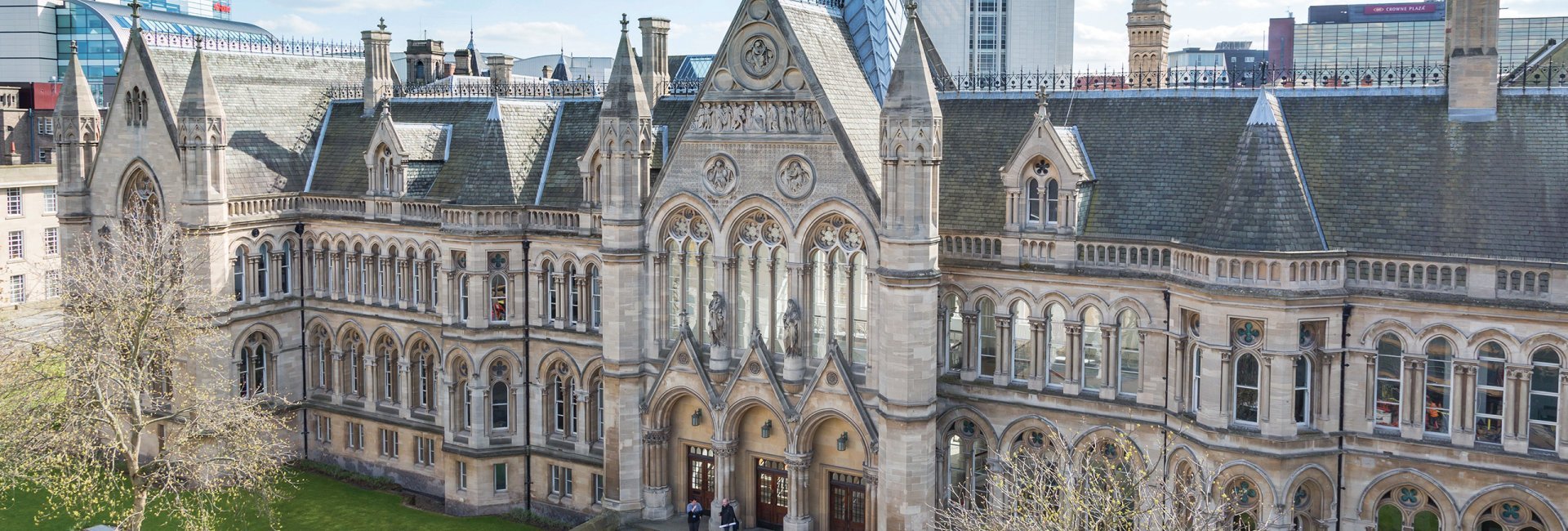
Nottingham Trent University: London Campus - 28 February Open Day
28 Feb 2026, 10:00
London
Communication is the basis of meaning. To understand how to communicate is to know who we are and how we ought to live.
In the 21st century, as professional work becomes ever more specialised and shaped by the demands of the digital world, there will be a corresponding need for the next generation of graduates to become highly skilled communicators with a capacity to speak and write effectively, eloquently, with cultural sensitivity and technological sophistication – across a range of different media.
The Communications and Philosophy degree will address these issues explicitly by developing your knowledge and understanding of contemporary communication processes and practices in their most fundamental forms. You will study the relationship between language, thought and meaning, understand the relationship between communication, dialogue, and self-knowledge across a range of global philosophical perspectives, as well as develop an understanding of the psychological, sociological, and political dimensions of contemporary communications processes and practices.
With these to the fore, the course will offer a fully interdisciplinary approach to the study of the philosophy, psychology and sociology of communication in order to analyse and explain the complex interrelations that exist between the logical, psychological ethical, social, political, and digital dimensions of communication in its multivariate forms. Specific emphasis will be placed upon the way that a deeper understanding of contemporary communication is key to unlocking the employability potential of undergraduates in the Humanities for future, high skilled, professional roles.
Why study Communications and Philosophy at NTU?
1st in the UK for teaching satisfaction on Philosophy courses (Guardian University Guide 2024).
NTU is 7th in the UK for the number of UG students in Media, journalism and communications (HESA 2023/24).
You will get the best preparation for your future career through work-like experiences that are embedded throughout the length of the course.
The course is fully interdisciplinary – both subjects work together to produce a unified course and a coherent student experience. Interdisciplinary options available in both the second and the final year.
You will have the opportunity to create your own pathway through the course, with a study abroad and extended placement modules available in the second year.
The course will allow you to develop the knowledge and critical skills that are valued by employers and are required to become an expert practitioner across a range of future professions.

Nottingham Trent University has participated in the Teaching Excellence Framework. These ratings were awarded in 2023, for four years.
See why these ratings were awarded
What does this TEF outcome mean?
This section shows the range of grades students (with UK A-Levels or Pearson BTEC Level 3 National Extended Diplomas) who received offers were previously accepted with (learn more). It is designed to support your research but does not guarantee whether you will or won't get a place. Admissions teams consider various factors, including interviews, subject requirements, and entrance tests. Check all course entry requirements for eligibility.
Students aged 17/18 who applied to this course were offered a place.
See how students with your grades have been accepted onto this course in the past.
Choose a specific option to see funding information.
Course options50 Shakespeare Street
Nottingham
NG1 4FQ
Phone:+44(0)115 848 4200
Phone:+44 (0) 115 848 4200