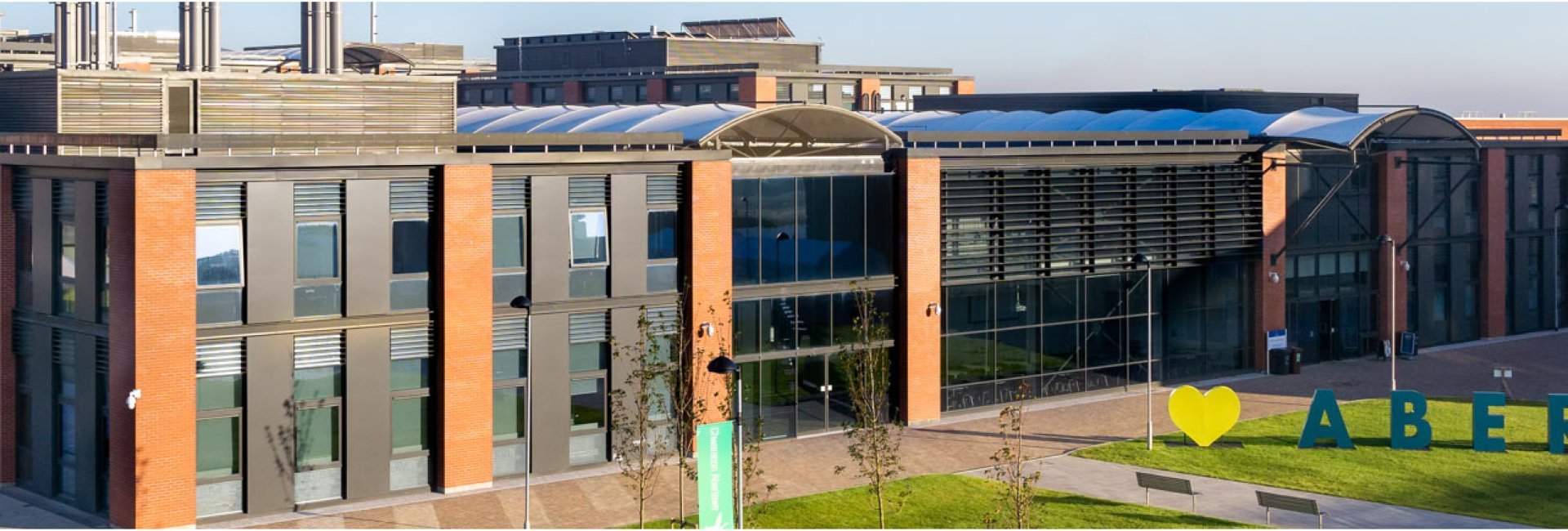
Undergraduate On-Campus Open Day at Swansea University - Singleton Park Campus and Bay Campus - 28 March 2026
28 Mar 2026, 08:30
Swansea
Our BSc in Respiratory and Sleep Physiology will give you the expert training you need to begin a rewarding career working with doctors and other healthcare professionals to diagnose and treat people with respiratory disease and sleep-related breathing disorders.
Studying the structure and functions of the respiratory system, together with the latest diagnostic and therapeutic techniques, you will combine in-depth academic work with practical clinical and technological skills in a range of specialised healthcare settings.
Respiratory and Sleep Physiology is an exciting field that requires a high level of responsibility, accuracy, and problem-solving ability. As a respiratory and sleep physiologist, you will work with patients of all ages and disabilities, performing a wide range of diagnostic tests and developing treatment plans.
Why Respiratory and Sleep Physiology at Swansea?
Our course is accredited by the National School of Healthcare and Science and the Registration Council for Clinical Physiology.
Many of our academic staff are also practising healthcare scientists, providing an unrivalled combination of scientific rigour and professional expertise.
If you can commit to working in Wales for two years after graduating, you could get your tuition fees covered in full through the NHS Wales Bursary Scheme, as well as maintenance funding and a reduced rate loan from Student Finance.
In Year 1, you will typically study areas including:
• Professional Practice 1
• Anatomy and Physiology for Healthcare Science
• Pathophysiology for Healthcare Science
• Basics of Mathematics and Physics for Healthcare Science
• Introduction to Cardiovascular Science
• Respiratory and Sleep Physiology
• CVRS Patient Pathways and Work-Based Training
In Year 2, you will typically study areas including:
• Professional Practice 2
• Research Methods and Statistics
• Instrumentation Signal Processing and Imaging
• Healthcare Science Work Based Placement 1 (Respiratory & Sleep Physiology)
• Pathophysiology of Common Cardiovascular and Respiratory Conditions
• Respiratory and Sleep Physiology – Diagnostic Interventions
• Respiratory and Sleep Physiology - Physiology
In Year 3, you will typically study areas including:
• Respiratory Physiology 3 – Pathophysiology, Diagnosis and Clinical Management of Asthma & Respiratory Failure
• Professional Practice 3
• Healthcare Science Research Project
• Healthcare Science Work Based Placement 2 (Respiratory & Sleep Physiology)
• Respiratory and Sleep Physiology - Sleep Diagnostics and Therapy
You will be assessed via a variety of methods throughout the three years of study. You will complete written examinations, written assignments, presentations, case-based discussions and assessments of clinical competency. In year three, you will have the chance to complete a research project in your chosen healthcare science programme. The results of this will be presented as part of your dissertation and you will be involved in a peer-assessment scientific poster presentation.
The following entry points are available for this course:
This course is open to UK applicants only.
Discover what it's like to study Healthcare Science (Respiratory and Sleep Physiology) at Swansea University: insights on the course, making friends, personal statement tips, uni prep, and recommended books, podcasts, and videos.
If you are offered a place you will also need:
A Disclosure and Barring Service (DBS) check, or approved equivalent
NHS Wales Values and Standards of Behaviour. All applicants will be required to have a satisfactory enhanced disclosure and barring service (DBS) check and occupational health check. Any concerns arising from these may be considered at the School of Health and Social Care’s Professional Suitability and Fitness to Practice Panel and may result in admission to the programme being withdrawn.
This section shows the range of grades students (with UK A-Levels or Pearson BTEC Level 3 National Extended Diplomas) who received offers were previously accepted with (learn more). It is designed to support your research but does not guarantee whether you will or won't get a place. Admissions teams consider various factors, including interviews, subject requirements, and entrance tests. Check all course entry requirements for eligibility.
We are unable to show previous accepted grades for this course. This could be because the course is new, it's a postgraduate course, there isn't enough historical data, or the provider has opted out of sharing their entry grades data for this course - learn more.
No fee information has been provided for this course
Tuition fee status depends on a number of criteria and varies according to where in the UK you will study. For further guidance on the criteria for home or overseas tuition fees, please refer to the UKCISA website.
For the latest fee information, please check the individual course page on our website. Our full range of programmes are listed here: https://www.swansea.ac.uk/undergraduate/courses/
Further information on tuition fees can be found here: https://www.swansea.ac.uk/undergraduate/fees-and-funding/tuition-fees/
This course is funded by the NHS Wales Bursary Scheme meaning students have their tuition fees covered providing they commit to work in NHS Wales for 2 years following graduation.
Singleton Park
Swansea
SA2 8PP
Visit our website Visit our course page
Ask us a question - undergraduate enquiries.
Email:study@swansea.ac.uk
Phone:01792 295111
Email:study@swansea.ac.uk
Phone:01792 295111
Fax: 01792 295110
At Swansea University