
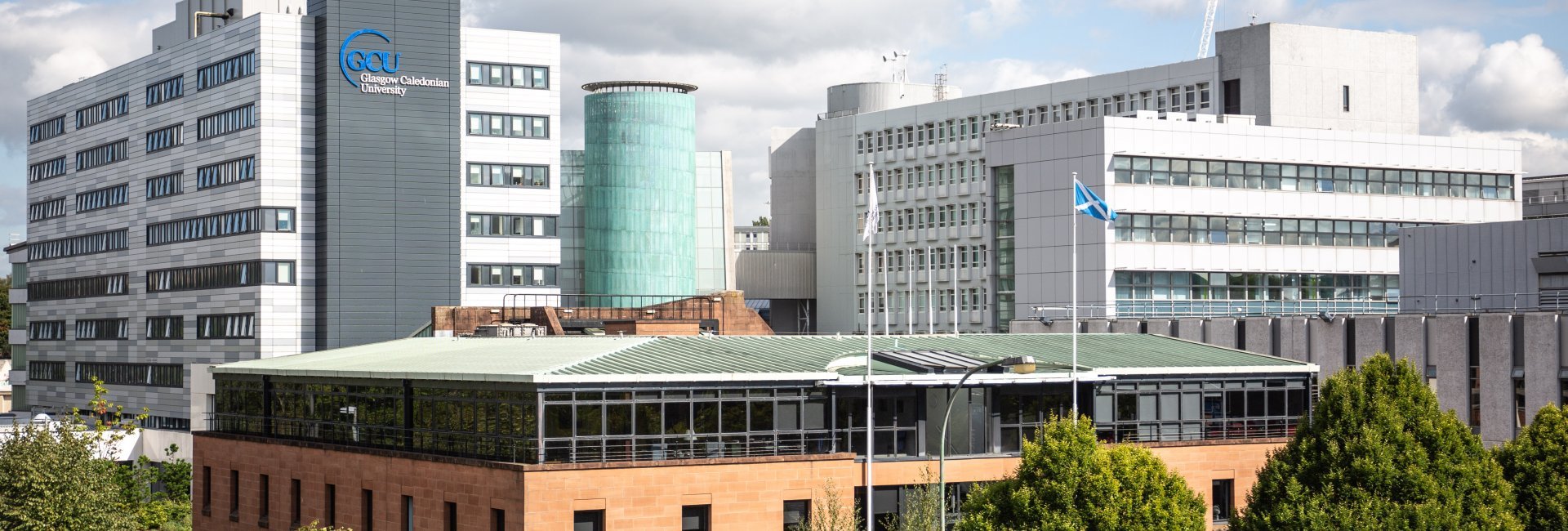
Glasgow Caledonian University - Undergraduate Open Day
4 Sept 2026, 09:00
Glasgow
The modern paramedic treats and cares for people locally, or in their homes, to assist in reducing avoidable hospital admissions, as well as for emergency situations. Throughout this challenging and exciting course you will learn alongside other healthcare practitioners reflecting the collaborative nature of working in a modern healthcare system.
The BSc Paramedic Science course has trail blazed the academic route to Paramedic Registration in Scotland. The programme is the first in Scotland to achieve endorsement from the College of Paramedics, therefore students can be assured that the course meets the current industry curriculum standards and delivers developmental education for the paramedic profession.
The spiral curriculum at GCU blends successful traditional vocational strategies, with a focus on critical thinking, inter-professional learning, leadership, and research. The programme is innovative, rapidly evolving and enjoys a depth of dynamic paramedic leadership. The variety of healthcare placements learners may attend is expanding through developing partnerships with a variety of trusts and government agencies. This includes the development of international elective placements for students to experience a global perspective on healthcare practice.
Learners on this course have an excellent chance to become well-rounded clinicians, equipped to face the challenging and rapidly evolving professional role.
Your career
Successfully completing this course will enable you to apply to Health and Care Professions Council (HCPC) for registration as a paramedic. The majority of paramedics find employment within a UK ambulance service and there are increasing opportunities for graduates to work in a range of health and social care settings.
There is work available in private ambulance companies, offshore companies and other various NHS and private areas. However, the majority of newly qualified paramedics will look to consolidate their learning and experience in an ambulance service trust for one to two years before pursuing promotions or other career avenues.
There is a significant need across the UK for paramedics and we continue to build on our close links with local and national employers to assist our graduates to gain employment following completion of their studies
All UK ambulance service trusts offer a form of Newly Qualified Paramedic programme to assist new paramedics transitioning from education into the fully registered role.
This section shows the range of grades students (with UK A-Levels or Pearson BTEC Level 3 National Extended Diplomas) who received offers were previously accepted with (learn more). It is designed to support your research but does not guarantee whether you will or won't get a place. Admissions teams consider various factors, including interviews, subject requirements, and entrance tests. Check all course entry requirements for eligibility.
We are unable to show previous accepted grades for this course. This could be because the course is new, it's a postgraduate course, there isn't enough historical data, or the provider has opted out of sharing their entry grades data for this course - learn more.
Operated by the Office for Students
Employment after 15 months (Most common jobs)
Go onto work and study
The number of student respondents and response rates can be important in interpreting the data – it is important to note your experience may be different from theirs. This data will be based on the subject area rather than the specific course. Read more about this data on the Discover Uni website.
Choose a specific option to see funding information.
Course optionsThe fees and financial support that are relevant to you depend on where you lived before coming to university
City Campus
Cowcaddens Road
Glasgow
G4 0BA
Email:studentenquiries@gcu.ac.uk
Phone:0141 331 8630
Email:studentenquiries@gcu.ac.uk
Phone:0141 331 8630
Fax: 0141 331 8676