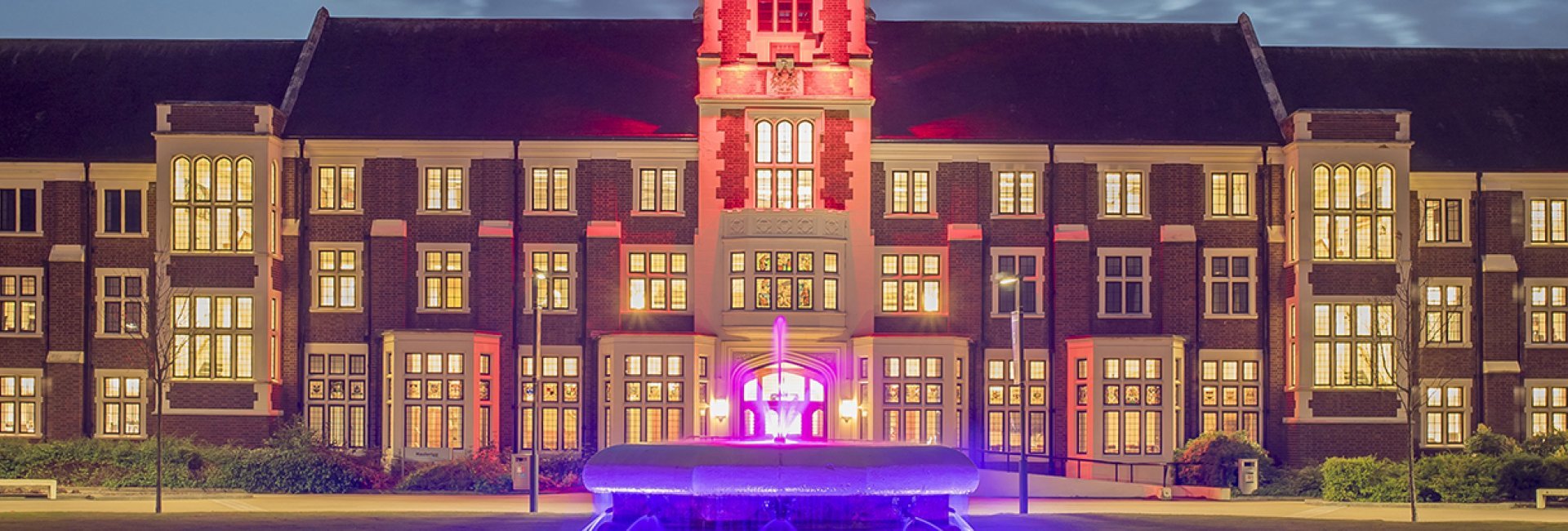
Loughborough University - open day event
19 Jun 2026, 08:00
Loughborough
Computer and Electronic Engineering teaches you to combine digital electronics, microprocessors and software to develop and enable the potential of embedded computer systems.
Embedded systems can be found in devices such as mobile phones, game consoles, car engine management systems, traffic lights and wireless routers.
PCs and traditional desktop computers are designed for multiple tasks, whereas embedded computer systems often have a dedicated function or purpose. This tends to be within a larger electromechanical system and is often small, rugged and low power.
They use microprocessors and microcontrollers and link to sensors and sensor systems. Computer and electronic engineers define the hardware, firmware and software that enable and are within these embedded computer systems.
The theory of digital electronics and electrical engineering underpins the course. This is complimented with subjects such as computer architecture and design, programming and embedded software engineering, field-programmable gate arrays (FGPA) design, digital interfacing and development, as well as control and management theory.
All computers and embedded systems adhere to Moore's Law, which predicts that their capabilities will increase every year. This will increase the opportunity for application management and control.
What's the difference between MEng and BEng?
The structure of the first two years are common between the BEng and MEng and provide you with engineering and electrical science core skills, combined with computer systems and programming modules. The application of engineering and electrical science shared with the solution of industrial problems is a strong theme throughout the courses.
The MEng structure is distinct from the BEng course in the third and fourth academic years, providing enhanced opportunities to study your chosen specialist subjects in depth. In addition, MEng students follow extra modules in business management, application of management theory, and design and microprocessor control systems.
Students studying on the BEng course may have opportunity to change to the MEng course if their performance in the first and second year is sufficiently strong.
For a full list of areas studied, see the 'What You'll Study' section of the course page on our website.
We use a combination of assessment methods for this course.
Lecture based modules are assessed by a combination of coursework and formal examinations taken at the end of each semester.
Project module assessments require written reports and technical presentations, preparing you for your subsequent career.
The proportion of coursework assessment is approximately 30% to 50% depending on degree course, semester/year and optional modules.
Professionally accredited courses provide industry-wide recognition of the quality of your qualification.
The following entry points are available for this course:
Loughborough accepts a wide range of qualifications for entry as outlined on our website www.lboro.ac.uk/study/undergraduate/getting-started/applying/entrance-requirements/. This information details the general requirements and should be read in conjunction with the information given for each course.
Find out more about qualification requirements for this course.
All applicants are required to demonstrate that they have an appropriate level of English language. For full details of the acceptable English language requirements see our website. http://www.lboro.ac.uk/international/applicants/english/
We consider contextual information as part of the assessment of an application to provide us with further insight into your achievements. This may lead to reduced offers, up to two grades lower than the typical offer requirements, as well as additional consideration when your results are received. For further information about Contextual Admissions at Loughborough including our Access Loughborough Contextual Offer please visit our website.
This section shows the range of grades students (with UK A-Levels or Pearson BTEC Level 3 National Extended Diplomas) who received offers were previously accepted with (learn more). It is designed to support your research but does not guarantee whether you will or won't get a place. Admissions teams consider various factors, including interviews, subject requirements, and entrance tests. Check all course entry requirements for eligibility.
We are unable to show previous accepted grades for this course. This could be because the course is new, it's a postgraduate course, there isn't enough historical data, or the provider has opted out of sharing their entry grades data for this course - learn more.
| Location | Fee | Year |
|---|---|---|
| EU | £29750 | Year 1 |
| England | £9535 | Year 1 |
| Northern Ireland | £9535 | Year 1 |
| Scotland | £9535 | Year 1 |
| Wales | £9535 | Year 1 |
| International | £29750 | Year 1 |
Tuition fee status depends on a number of criteria and varies according to where in the UK you will study. For further guidance on the criteria for home or overseas tuition fees, please refer to the UKCISA website.
The fees stated above are for the 2025/26 academic year; fees for 2026/27 have not yet been confirmed by the UK government. We will update this information as soon as it is available. Fees are reviewed annually and are likely to increase to take into account inflationary pressures.
While the cost of your tuition covers lots of things, it doesn’t cover everything. For instance this course doesn’t cover the cost of any stationery, printing, books or re-assessments which you might need.
UK tuition fees align with the applicable fee caps set by the UK government, and as such they are subject to changes made to the agreed cap in a specific year.
Sponsorship, scholarships and bursaries
All of our courses have an established reputation with employers in industry. Companies, therefore, target the School with sandwich year opportunities and a number of companies offer sponsorship, for which there is intense competition. Students seeking sponsorship are urged to consult publications such as Career Research and Development (CRAC) and Engineering Opportunities.
Students studying any of the School’s degree courses and intending to take up a career in the Armed Forces or Civil Service may be eligible for financial support under the Defence STEM Undergraduate Scheme.
We are a member of the IET's Power Academy, and the UK Electronics Skills Foundation, both engineering scholarship funds supporting undergraduate students in electrical, electronic and power engineering at leading UK universities. The UKESF Scholarship Scheme connects undergraduates to leading employers in the Electronics sector and provides an annual bursary, paid summer work placements and a paid-for residential workshop. We also broker a range of sponsored places from leading companies such as BAE Systems, Frazer-Nash Consultancy and Jaguar Land Rover.
All of our courses have an established reputation with employers in industry. Companies, therefore, target the School with sandwich year opportunities and a number of companies offer sponsorship, for which there is intense competition. Students seeking sponsorship are urged to consult publications such as Career Research and Development (CRAC) and Engineering Opportunities.
Students studying any of the School’s degree courses and intending to take up a career in the Armed Forces or Civil Service may be eligible for financial support under the Defence STEM Undergraduate Scheme.
We are a member of the IET's Power Academy, and the UK Electronics Skills Foundation, both engineering scholarship funds supporting undergraduate students in electrical, electronic and power engineering at leading UK universities. The UKESF Scholarship Scheme connects undergraduates to leading employers in the Electronics sector and provides an annual bursary, paid summer work placements and a paid-for residential workshop. We also broker a range of sponsored places from leading companies such as BAE Systems, Frazer-Nash Consultancy and Jaguar Land Rover.
Loughborough
LE11 3TU
Visit our website Visit our course page
Email:admissions@lboro.ac.uk
Phone:01509 274 403
At Loughborough University