Do you enjoy the adventurous and analytical work of interpreting texts? Are you keen to explore Literatures and Cultures in an unbordered way, so that national boundaries, disciplinary divisions, and linguistic know-how are no barrier to where your curiosity and intellectual ambition might lead? If so, you are a comparatist in the making!
Comparative Literatures and Cultures takes you on a journey across and between cultures that will sharpen your analytical skills and equip you with a cultural agility fit for our globalised world. The programme challenges narrow ideas of capital-L Literature or of ‘the canon' and knocks down false boundaries between ‘high' and ‘low' culture by exploring the diversity of literary and cultural production across the globe – from Italy to Russia, Morocco to China, Brazil to Senegal – and across the centuries. Through both core and optional units, our comparatists examine the long and fascinating history of interactions between literary works and other forms (portraiture, book illustration, film), media (video, digital literature) and disciplines (visual arts, philosophy, history, social sciences).
This degree considers the many ways in which Literatures and Cultures move through time and space, such as through individual forms of contact (reader reception, influence, and intertextuality), sociopolitics (trade, migration, colonization) and technologies that have shaped literary and visual culture.
All texts are studied in English through the tool of the curious comparatist: translation. You will benefit from the Translation Studies expertise in the School of Modern Languages as you discover the varieties and varied roles of translations in the movement, adaptation, and appropriation of texts.
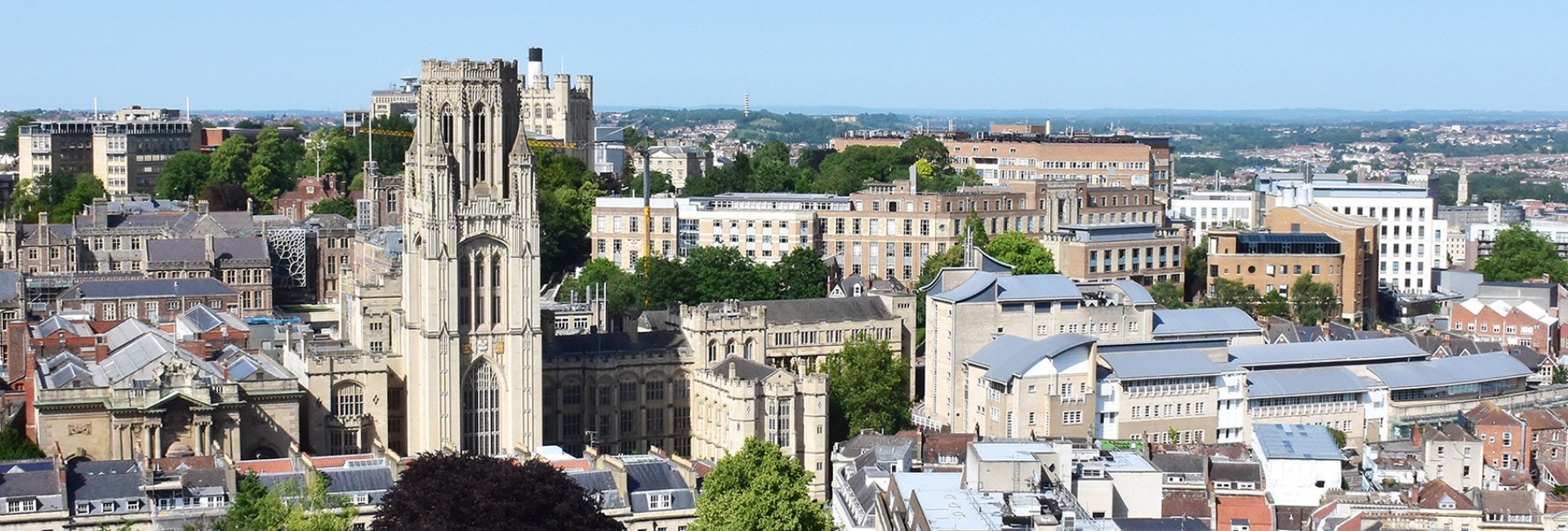
Bristol's multilingualism and cultural diversity make it the ideal location for this degree. The city offers countless opportunities for you to take your cultural analyses from the seminar into the ‘real world', be this through encounters with Banksy's street art, with murals honouring the Bristol Bus Boycott's fight for racial equality or through work on how Bristol's institutions have responded to decolonization.
The degree fosters qualities valued by all kinds of employers: intercultural understanding and sensitivity, analytical and critical thinking, clarity, self-confidence and daring in communication, an aptitude for collaborative work, and creativity. It will instil habits of curiosity, openness, rigour, self-reflection, and evidence-based thinking, which will prepare you for a flexible career across a wide range of sectors.