Course summary
Swansea University’s BSc in Radiotherapy Physics will give you the expert training you need to begin a rewarding and highly skilled career in the healthcare profession as a dosimetrist in radiotherapy physics.
During your degree, you will learn about using radiotherapy to treat various cancers. You will combine in-depth academic work with practical clinical and technological skills in a range of specialised healthcare settings.
Radiotherapy Physics is a vital field of medicine requiring a high level of responsibility and technical skill. As a radiotherapy physicist/radiotherapy physics technologist, you will work as part of a team to develop individual treatment plans for people with cancer and be responsible for the precise calibration and use of sophisticated radiotherapy equipment. As your career progresses, you will have excellent opportunities for advanced practice and further study to Masters and doctoral level.
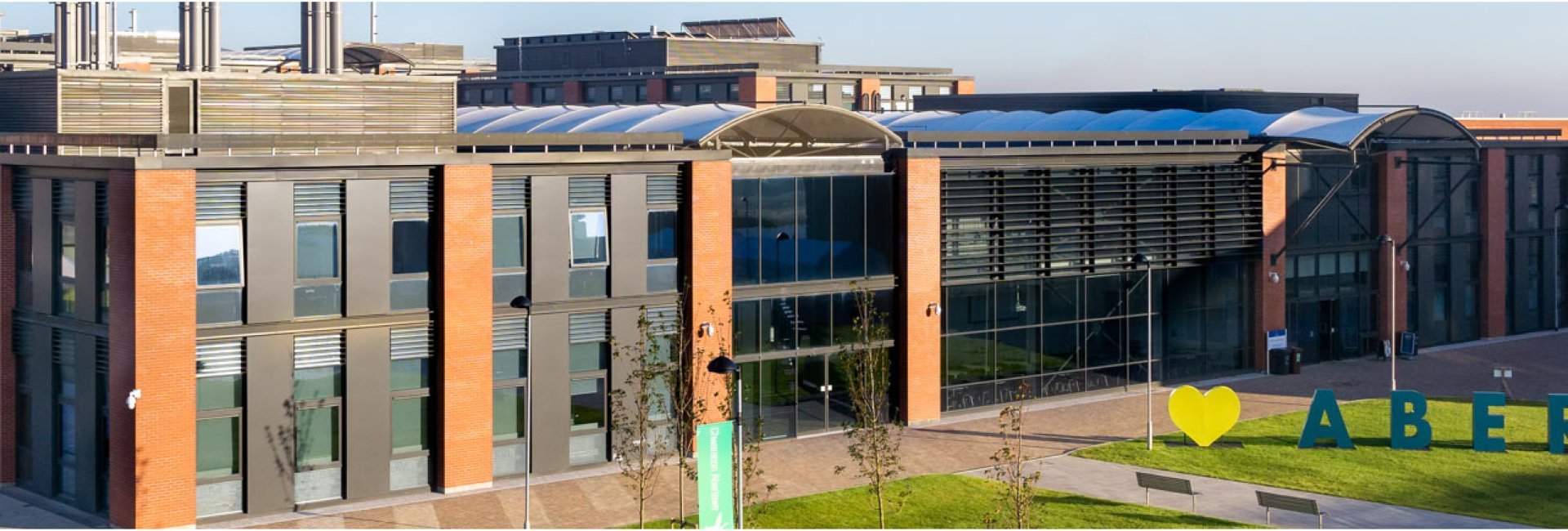
Our state-of-the-art facilities allow you to learn and practice your clinical and technical skills in our simulated clinical practice rooms. Equipped with the latest technology and equipment, each room offers a unique environment that replicates a wide range of realistic clinical settings. The rooms provide an excellent opportunity for you to put theory into practice and gain confidence and experience in clinical environments.
You will spend around half of your course on clinical placements giving you greater insight into the skills you have learnt with our expert clinical teaching team. Clinical Placements will teach you how to present to patients and will embed your learning into your practise.
The course is accredited by all the major regulatory bodies including the National School of Healthcare and Science. You will also benefit from our strong links with the NHS and local health boards, with our nearest hospital being next to our Singleton Park campus. Many of our academic staff in Health Sciences are also practising clinicians, providing invaluable professional insight and expertise.
Modules
Course Modules
In Year 1, you will typically study areas including:
· Professional Practice 1
· Anatomy and Physiology for Healthcare Science
· Pathophysiology for Healthcare Science
· Basics of Mathematics and Physics for Healthcare Science
· Scientific Basis of Medical Physics
· Informatics and Statistics
In Year 2, you will typically study areas including:
· Professional Practice 2
· Research Methods and Statistics
· Instrumentation Signal Processing and Imaging
· Healthcare Science Work Based Placement 1 (Radiotherapy Physics)
· Medical Imaging
· Practice of Radiation Protection
· Medical Equipment Lifecycle
In Year 3, you will typically study areas including:
· Professional Practice 3
· Healthcare Science Research Project
· Healthcare Science Work Based Placement 2 (Radiotherapy Physics)
· Radiobiology and Clinical Radiotherapy Physics
· Practice of Radiotherapy Physics
Assessment method
You will be assessed via a variety of methods throughout the three years of study. You will complete written examinations, written assignments, presentations, case-based discussions and assessments of clinical competency. In year three, you will have the chance to complete a research project in your chosen healthcare science programme. The results of this will be presented as part of your dissertation and you will be involved in a peer-assessment scientific poster presentation.