At Worcester, you'll study the science that underpins the analysis of forensic material using a ‘crime scene to court’ approach. You'll start by managing crime scenes and collecting evidence, then move on to analysing it in the laboratory and presenting your findings in court.
This Forensic Science degree introduces you to the world of forensic science and crime scene investigation, providing the scientific foundation needed to support criminal investigations with objective and factual evidence. Key topics include genetics, cell biology, human anatomy, an introduction to the legal system, bone identification, and the analysis of physical evidence such as fingerprints, fibres and bloodstains.
Throughout the course, you’ll have opportunities to put your knowledge to the test in real-world practical sessions. You’ll work in our on-campus crime scene house, investigating mock incidents like burglaries, assaults, and even murders. Full-scale simulated investigations are a key part of the course, including scenarios where you'll excavate bodies, extract DNA, take part in virtual autopsies using our advanced digital anatomy simulations, and present expert witness testimonies in our mock courtroom.
You'll learn from industry experts who can draw on their own experiences and hear from guest speakers, such as crime scene investigators and digital crime experts, who demonstrate how class materials are applied in actual investigations. By working through real case studies and forensic scenarios, you'll gain a genuine understanding of the pivotal role forensic scientists play in criminal investigations.
When you join us, you’ll meet your friendly personal academic tutor who will typically remain with you throughout your degree. They’ll get to know your strengths and where you can develop, offering personalised support and feedback through the course.
Why the University of Worcester?
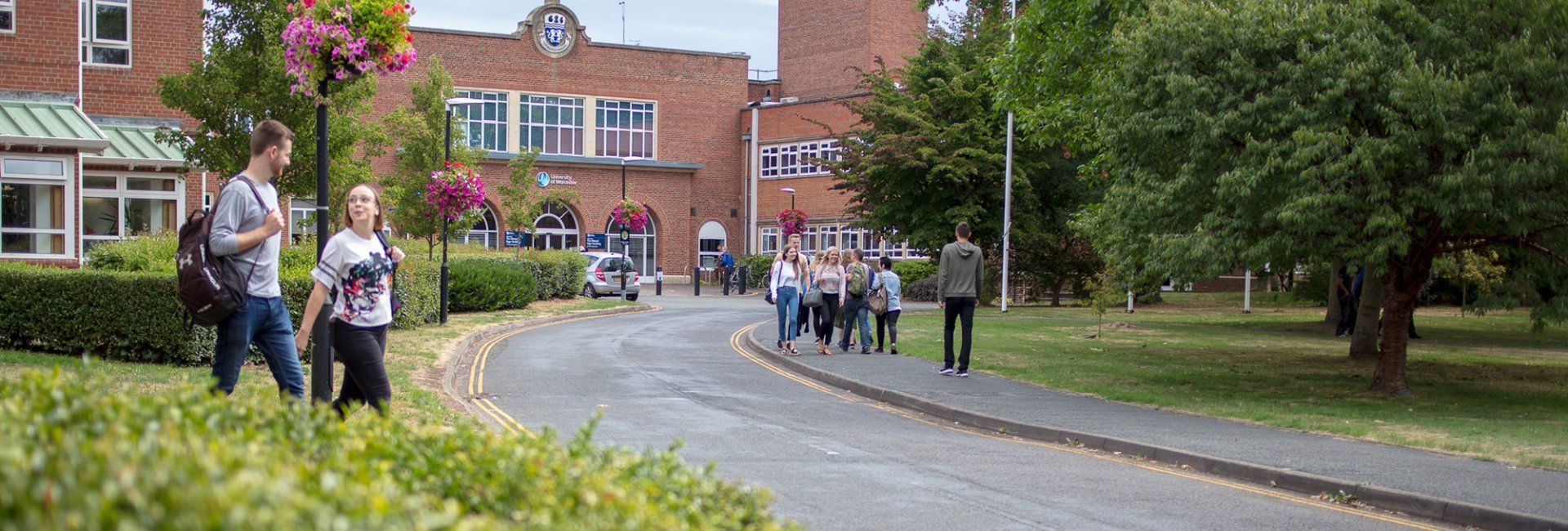
The University of Worcester is a campus university, meaning everything you need is on site. We’re based in a vibrant cathedral city just 40 mins south of Birmingham and an hour north of Bristol, and our beautiful green campuses have plenty of parking and quality on-site accommodation.
At Worcester, small class sizes, supportive tutors, and professionally focused courses mean you’ll be prepared for your dream career. These are just some of the reasons why we’re first in the UK for both graduate employment and quality education.
-
University of the Year finalist in the Times Higher Education Awards 2025.
-
First in the UK for sustained employment, further study or both, from any multidisciplinary university – Longitudinal Education Outcomes (LEO) 2017 to 2025.
-
First in the UK for quality education – Joint 1st in the Times Higher Education’s University Impact Rankings 2025.
Join us at one of our regular Open Days to see if the University is a good fit for you: www.worcester.ac.uk/opendays