Course summary
Turn your interests in human biology and health and wellbeing into a rewarding and valued career with our degree course in Cardiac Physiology.
You will gain the scientific, clinical, and technical knowledge needed to provide specialised care to people living with or suspected of having cardiac disease.
Studying the anatomy and physiology of the heart, together with the latest diagnostic and therapeutic techniques, you will combine in-depth academic work with practical clinical skills in a range of specialised healthcare settings.
Cardiac Physiology is an exciting and rapidly developing field that requires a high level of responsibility and problem-solving ability. As a cardiac physiologist, you will be expected to carry out some work that used to be in the remit of doctors and there are many opportunities for specialist role extension as your career progresses.
Our excellent facilities, including the Swansea University Simulation and Immersive Learning Centre, include a realistic clinical suite so you can put your theoretical knowledge into practice in an environment that reflects the conditions that you will experience on placement.
You will also benefit from a real-life patient setting in our award winning Health and Wellbeing Academy, an on-site clinic that provides health and wellbeing services for the local community in collaboration with the NHS.
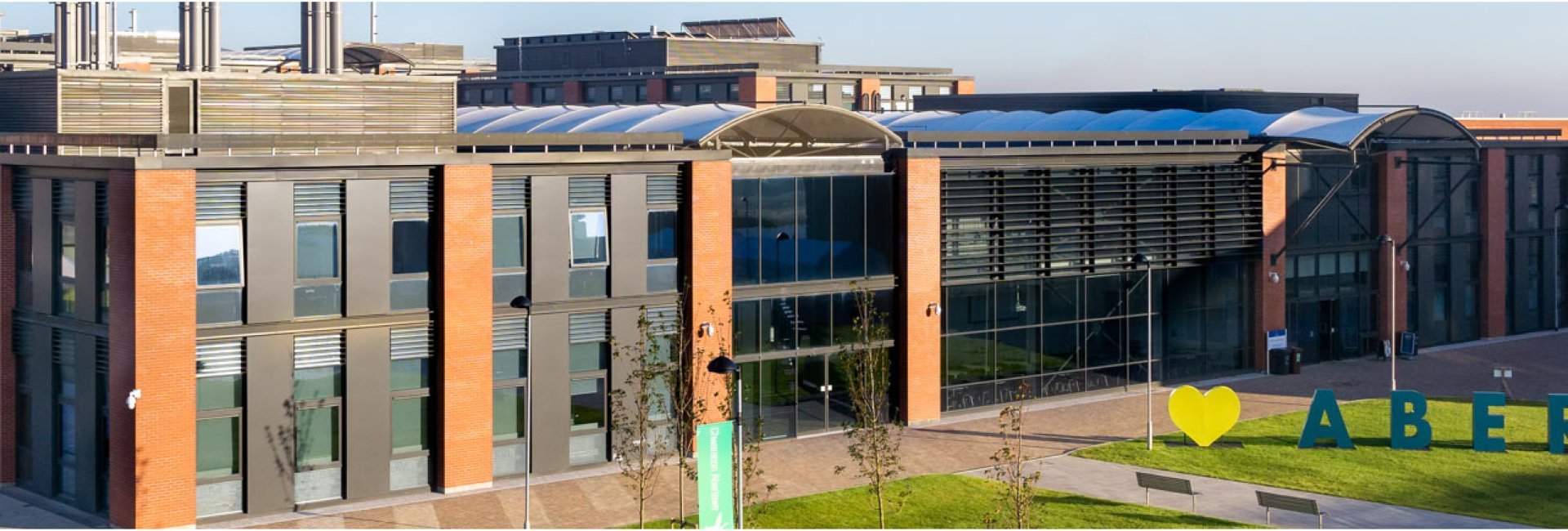
Half your course will be taught at our Singleton Park campus on the edge of the beautiful Gower Peninsula and the other half will take place in healthcare settings. We have strong links with healthcare providers and Welsh health boards, opening up a wide range of clinical placement opportunities for you.
Modules
In Year 1, you will typically study areas including: Professional and Clinical Practice 1 – Cardiovascular, Respiratory & Sleep Sciences; Anatomy and Physiology for Healthcare Science; Fundamentals of Healthcare Science; Introduction to Cardiovascular Science; Respiratory and Sleep Physiology; Pathophysiology for Healthcare Science.
In Year 2, you will typically study areas including: Professional Practice 2; Research Methods and Statistics; Instrumentation Signal Processing and Imaging; Healthcare Science Work Based Placement 1 (Cardiac Physiology); Measurement of Resting Cardiovascular Function; Pathophysiology of Common Cardiovascular and Respiratory Conditions; Measurement of Cardiovascular Function During Provocation Testing.
In Year 3, you will typically study areas including: Professional Practice 3; Healthcare Science Research Project; Healthcare Science Work Based Placement 2 (Cardiac Physiology); Cardiac Catheterisation; Arrhythmia Diagnosis and Management; Evidence-Based Practice in Cardiology.
Assessment method
You will be assessed via a variety of methods throughout the three years of study. You will complete written examinations, written assignments, presentations, case-based discussions and assessments of clinical competency. In year three, you will have the chance to complete a research project in your chosen healthcare science programme. The results of this will be presented as part of your dissertation and you will be involved in a peer-assessment scientific poster presentation.