Course summary
This immersive one‑year applied zoology and animal conservation top‑up degree emphasises applied learning, critical thinking, and professional communication skills, equipping you for a wide range of roles within the animal conservation and zoology sectors. You will study current scientific techniques and technological advances in animal conservation, exploring how these methods support the long‑term protection of animal species both in captivity and in the wild.
Throughout the course, you will critically examine historical, current, and emerging threats to wildlife and natural ecosystems, with a strong emphasis on the key challenges facing global biodiversity and conservation management. You will gain applied, real‑world understanding of the practical conservation tools used by professionals, from captive breeding programmes in zoological collections to the use of satellite tracking and monitoring technologies in wildlife conservation.
This Applied Zoology and Animal Conservation top‑up degree provides academic depth, practical application, and sector‑relevant expertise, preparing graduates for professional roles in zoological institutions, animal conservation organisations, wildlife management, or further postgraduate study.
Why study Applied Zoology and Animal Conservation at Plumpton College?
-
Advance your technical animal husbandry skills and knowledge of captive conservation approaches, working with over 100 animal species at Plumpton’s Animal Education Centre
-
Develop an applied and critical understanding of global conservation issues, including the tools and strategies used to address biodiversity loss
-
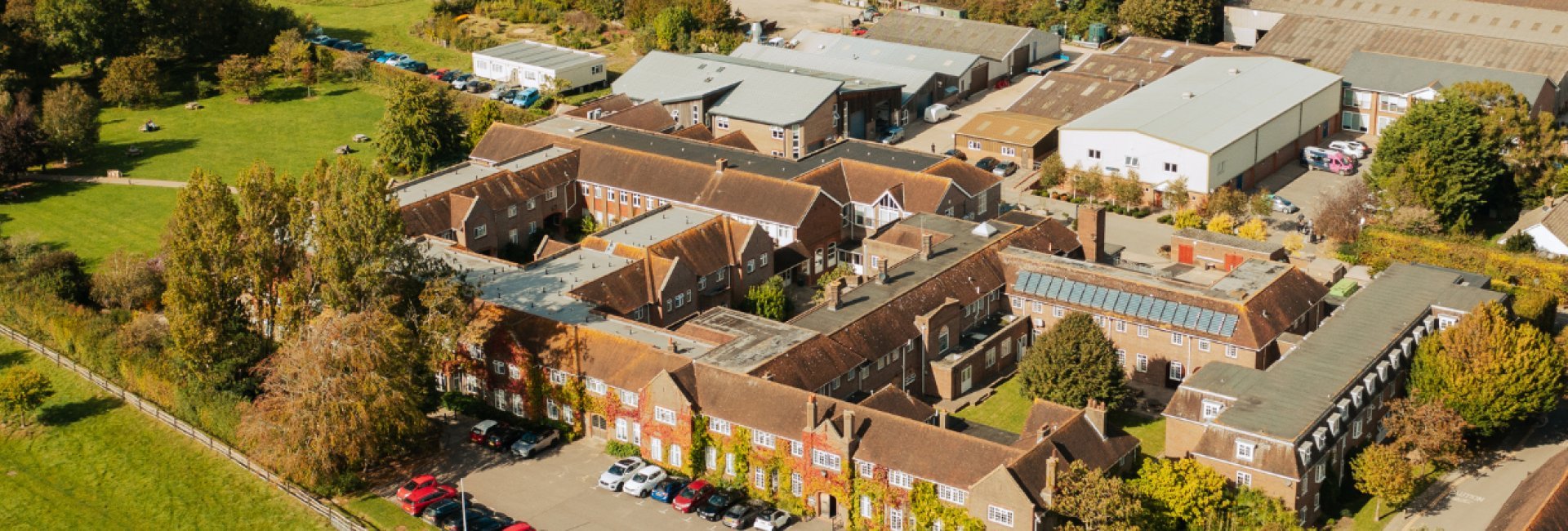
Study in the South Downs National Park, with access to protected habitats across Plumpton College’s 800‑hectare estate
-
Build your industry awareness and professional network through immersive field trips and visits to zoological and conservation organisations
Subject options
This course offers the following subject options:
- Animal Conservation
- Animal Welfare
Modules
What you'll study - Course Modules
This applied zoology and animal conservation top‑up degree, validated by the University of Greenwich, is delivered over one year full‑time or two years part‑time. You will study a focused suite of honours‑level modules designed to deepen your knowledge of applied zoology, animal conservation, and wildlife management, while developing advanced research and professional skills.
Modules include:
-
Animal Ecophysiology and Climate Change (15 credits)
Develop a critical understanding of how climate change impacts animals and ecosystems, examining physiological responses and adaptive strategies using past, present, and future environmental trends.
-
Human–Wildlife Conflict and Coexistence (15 credits)
Explore one of the most pressing challenges in global animal conservation, analysing social, economic, and environmental dimensions of human–wildlife conflict through international case studies and evidence‑based solutions.
-
Public Engagement, Education and Communication (15 credits)
Build essential skills for zoology and conservation careers, focusing on effective communication, education, and stakeholder engagement to support behaviour change and conservation outcomes.
-
Reintroduction and Rewilding Science (15 credits)
Examine the scientific principles behind species reintroduction and rewilding, evaluating their role as conservation management tools for restoring ecosystems and biodiversity.
-
Research Project (30 credits)
Undertake an independent honours‑level research project in an area of applied zoology or animal conservation, developing advanced research, analysis, and scientific reporting skills.
-
Advanced Animal Husbandry and Management (15 credits)
Develop high‑level practical and strategic skills in animal husbandry, welfare, and management, assessed through applied planning and practical evaluation.
-
Advances in Zoo Science and Conservation (15 credits)
Explore contemporary developments in zoo biology and ex situ conservation, critically evaluating the role of zoological collections in species protection and global conservation strategies.
Assessment method
Assessment on the BSc (Hons) Applied Zoology and Animal Conservation (Top‑Up) uses a range of industry‑relevant summative methods, which may include essays, written reports, case studies, presentations (oral and poster), projects, practical assessments, and a professional portfolio.
Assessment tasks are designed to reflect real‑world conservation and zoological practice, allowing students to apply academic knowledge and practical skills in professional contexts. Where appropriate, assessments offer flexibility in topic selection, enabling you to explore areas aligned with your personal interests and career aspirations.
All modules also include formative (practice) assessment activities, which are ungraded and designed to support learning, build confidence, and prepare you for summative assessment submission, in line with University of Greenwich assessment principles.