Course contact details
Course Enquiries
Email:courses@mmu.ac.uk
Phone:0161 247 69 69
Manchester Metropolitan University
All Saints Building
All Saints
Manchester
M15 6BH

Creating art for games is both specialised and rewarding – a mix of technical know-how and creative thinking that can make a huge impact on the look, feel and experience of any computer game. A game artist can create entire living and breathing virtual worlds, dynamic animated characters and beautiful atmospheric effects in one of the most challenging and exciting roles in the creative industry. Our BA (Hons) Games Art course offers this mix, with core skills and vital understanding that will equip you for your future career in the games industry.
It’s a course that offers the chance to explore the role art plays in the process of game development, while gaining essential skills in creating concept art, 2D and 3D game assets. As you progress through the course, you’ll focus on the practical processes central to making games, building up an impressive portfolio of games and game-like artefacts, while exploring the specialist areas of games art you’d like to pursue. With innovative assessments like our ‘Game a Week’ challenge, you can prove your abilities and grow your confidence. Then, in your last year, you’ll not only have the chance to focus on your own game art specialism, but you’ll also work as part of a virtual game studio – contributing to a large-scale game through a series of smaller projects.
While it’s a specialist course offering a specialist skill set, being part of the School of Digital Arts offers the unique opportunity to work with others from across our broad creative community. By working in collaboration with students of photography, animation, sound design and more, as well as students from the Department of Computing and Mathematics, you’ll get a taste of the kind of cross-disciplinary teamwork that’s essential in the fast-moving digital sector. It’s not only a creative environment, but a well-equipped one too. SODA has been purpose-built to develop industry-standard skills, so it offers industry-standard facilities – giving you every opportunity to get to grips with professional-grade development and design technology.
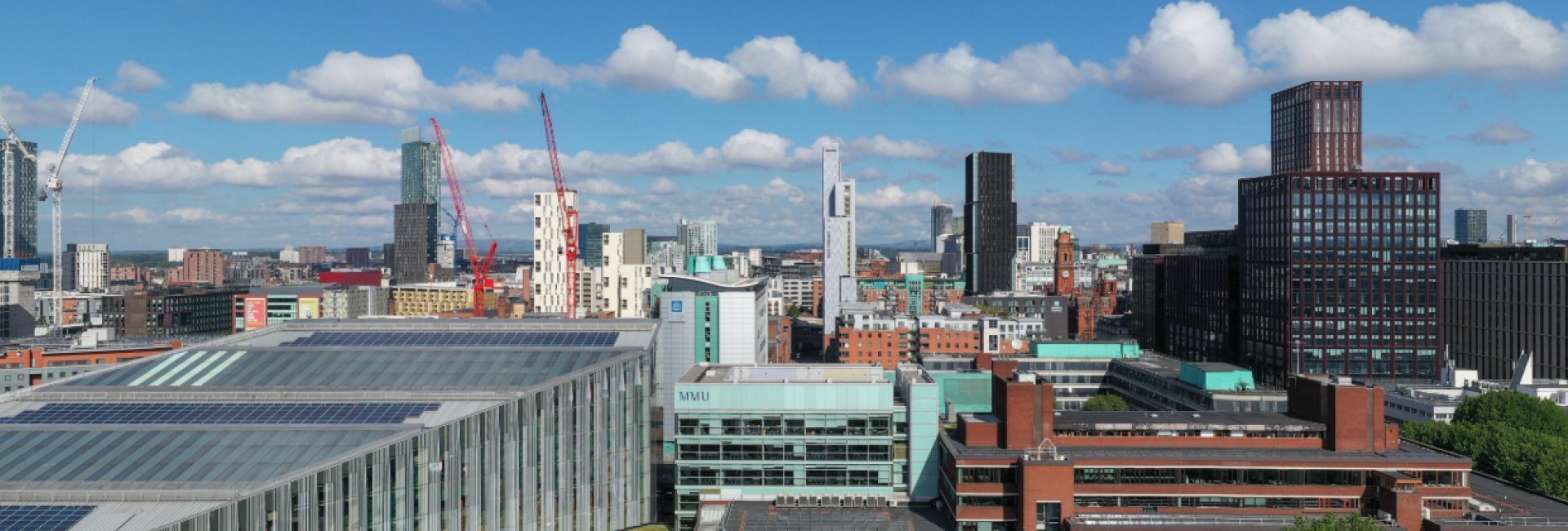
Just as SODA provides a vibrant, dynamic environment for studying games art, Manchester provides an exciting, creative setting. The city is not only home to one of the largest media and creative sector outside London, but also has a rich history of video games creation, from Ocean Software in the 1980’s to TT Games and much more today. On our doorstep, you can find renowned CG, visual effects and VR/AR agencies like Flipbook and Carbon Digital, not to mention the BBC’s entire digital and games teams. In short, it’s much more than an exciting city for students: for qualified, well-rounded game artists, Manchester can provide the perfect launch pad for a rewarding career.
This course has a Foundation Year available.
Features and Benefits
Gain the knowledge, skills and expertise to enter the games industry, one of the fastest growing industries in the digital and creative sector in the UK and globally.
Develop your skills as a 2D and 3D games artist through developing your creativity and drawing from the rich community of SODA.
Develop your confidence and knowledge of the industry by meeting and working with professionals in the field of games art and beyond.
This course is not accepting applications at this time. Please contact the provider to find out more.
This is the equal consideration deadline. You can still apply after this date, but your application may not receive guaranteed consideration.

Manchester Metropolitan University has participated in the Teaching Excellence Framework. These ratings were awarded in 2023, for four years.
See why these ratings were awarded
What does this TEF outcome mean?
This course is not accepting applications at this time. Please contact the provider to find out more.
The following entry points are available for this course:
GCSE grade C/4 in English Language or Level 2 Functional Skills English pass
At Manchester Met, our mission is to recruit ambitious students from all backgrounds and to inspire and support them to achieve their potential. Where applicants with WP flags receive an offer but don’t quite meet conditions, we may be able to look again at these applications. Where we are unable to offer a place on a chosen course, we may seek to make an alternative offer. For further information please click the link below.
Learn more on the Manchester Metropolitan University website
This section shows the range of grades that students who received offers were previously accepted on to this course with (learn more).
It is designed to support your research but does not guarantee whether you will or won't get a place.
Admissions teams consider various factors, including interviews, subject requirements, and entrance tests. Check all course entry requirements for eligibility.
We are unable to show previous accepted grades for this course. This could be because the course is new, it's a postgraduate course, there isn't enough historical data, or the provider has opted out of sharing their entry grades data for this course - learn more.
This report uses your grades to show how students with similar results have done when applying to this course in the past. Sometimes, there isn’t data for every possible set of grades. When that happens, universities and colleges occasionally fill in the gaps for sets of grades that are typically accepted.
Subject Spotlights give you the chance to try a higher education course before you apply. Delivered by the lecturers themselves you will gain insight into what it's like to study the course and give your personal statement a boost.

No fee information has been provided for this course
Tuition fee status depends on a number of criteria and varies according to where in the UK you will study. For further guidance on the criteria for home or overseas tuition fees, please refer to the UKCISA website.
For more information on fees, please visit: https://www.mmu.ac.uk/study/undergraduate/course/ba-animation/september-2025#fees
Email:courses@mmu.ac.uk
Phone:0161 247 69 69
All Saints Building
All Saints
Manchester
M15 6BH
At Manchester Metropolitan University